

Sharma Orthopedic Surgical Insights & Clinical Blog
Knowledge Hub

Orthopedic Innovations & Clinical Blog

Expert insights, surgical technique guides, and medical device updates from industry leaders.

Global Orthopedic Updates & Research
Global Trends

Surgical Insights & Medical Tech

Exploring advancements in joint arthroplasty, trauma management, and spinal systems.

0%

Choosing the best Surgical Power Tools for 2026 is not simply a matter of selecting the fastest drill or the lightest handpiece. Surgeons and procurement teams must weigh control, reliability, battery life, sterilization workflow, service support, and compatibility with procedure-specific instruments. Small details matter: a secure grip through a glove, a clear battery-status indicator, and predictable performance during repeated use. Not every impressive specification proves better outcomes.

Market data helps explain the growing attention. Grand View Research estimated the global surgical power tools market at approximately US$2.1 billion in 2023, with further growth projected through 2030. This is a commercial estimate, not evidence that one device improves patient outcomes. The Lancet Commission on Global Surgery reported that about five billion people lacked access to safe, affordable surgical care. That wider context matters. Better equipment can support operating-room capability, but it cannot replace trained teams, maintenance, or reliable supply chains. And the figures have limits.

This guide compares leading tool categories and the factors that shape a practical 2026 shortlist. It considers ergonomic design, power delivery, noise, cleaning requirements, and lifecycle costs alongside manufacturer specifications. Clinical suitability should always be assessed by qualified teams against local protocols and current instructions for use. A market leader may not suit every operating room. That is worth remembering.
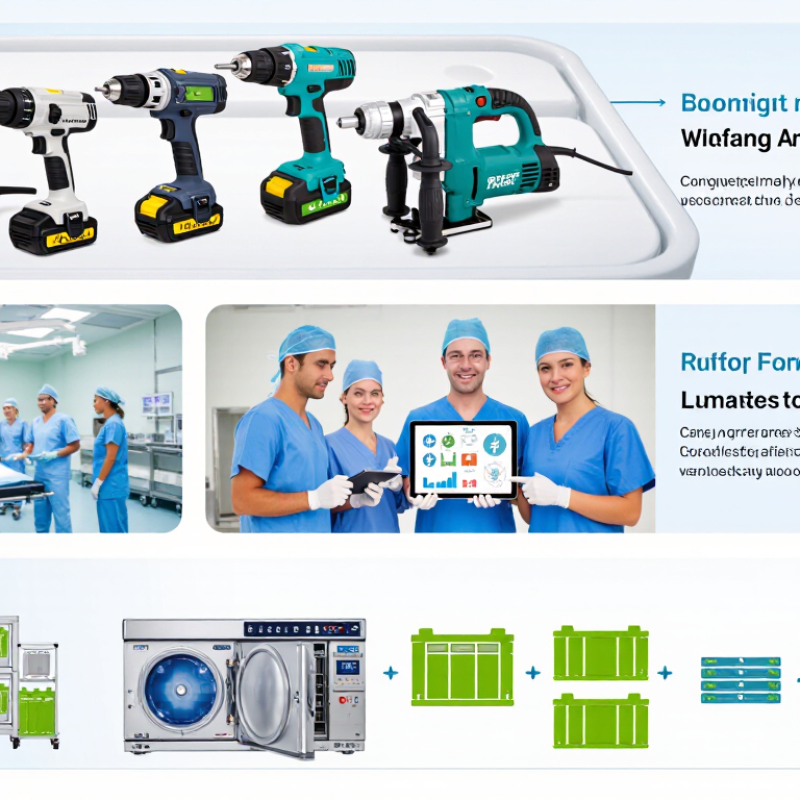
What Are the Best Surgical Power Tools for 2026?

How Surgical Power Tools Are Classified by Function

What Are the Best Surgical Power Tools for 2026?
How Surgical Power Tools Are Classified by Function

Surgical power tools are best compared by the work they perform, not by a single “best” ranking. Cutting and drilling tools create openings or shape bone. Their attachments may include drill bits, burrs, or blades, each designed for a specific task. A tool’s speed, torque, balance, and heat control can affect handling and precision. Fit matters.

Reaming tools enlarge or shape existing openings, while saws use reciprocating or oscillating blades for controlled bone cuts. Driving tools insert screws or wires, often with adjustable speed and torque. These categories overlap in some systems, but their functions are distinct. A compact handpiece may feel easier to control in a tight area, yet its attachments and maintenance requirements still matter. No category is automatically right for every procedure.

Tips: Match the tool and attachment to the planned task, then check compatibility, sterilization instructions, and service requirements. Ask trained clinical and technical staff to assess ergonomics and workflow. A dry run can reveal awkward handling before use.

What Are the Best Surgical Power Tools for 2026?

How surgical power tools are classified by function

How to read this chart: It groups common surgical power tools by their primary function. Counts show the representative tool examples listed for each category—not market share, clinical outcomes, or a ranking of the best tools.

The right tool depends on the procedure, compatible attachments, required speed and torque, sterilization workflow, and the surgical team’s needs. Functional categories can overlap.

Key Criteria for Comparing Surgical Power Tools in 2026

Choosing surgical power tools in 2026 starts with the procedure and workflow, not headline speed. A drill used for bone preparation has different demands from a saw or reamer. Compare speed and torque under realistic load, not only unloaded specifications. Numbers need context. Ask how consistently the tool performs during repeated use, and whether controls remain easy to operate with gloves.

Fit matters. Assess handpiece weight, balance, vibration, heat, and trigger response during a practical evaluation. Small differences can affect handling over a long case. Review battery life, charging time, and whether a spare battery is available when needed. Check cleaning and sterilization instructions, including cycle limits and any parts that require special handling. These details can shape daily workflow more than a polished feature list.

Reliability also depends on service access, maintenance requirements, and staff training. Request clear documentation, validated cleaning guidance, and performance data relevant to the intended procedures. Include clinical engineering and operating-room staff in the comparison; each may notice different risks. A scorecard helps, but it cannot capture every small frustration. I would not pretend one score fits every operating room. Test shortlisted tools in realistic conditions, then record what feels awkward as well as what works.

What Are the Best Surgical Power Tools for 2026? — Key Criteria for Comparing Surgical Power Tools in 2026

Tool category Common applications Performance criteria to compare Compatibility and safety checks Reprocessing and selection considerations
Drill and driver Orthopedic drilling and screw insertion; use depends on the procedure, attachment, and approved accessory. Speed control, torque delivery, trigger response, stability under load, and the ability to control the tool accurately. Confirm the chuck or attachment accepts the required drill bits and drivers. Check for secure accessory retention and appropriate control of heat and soft-tissue exposure. Assess balance, grip, noise, battery or power-system workflow, and compatibility with the facility’s cleaning and sterilization process.
Oscillating or sagittal saw Bone cutting in procedures such as joint replacement and other orthopedic operations, using the appropriate blade and technique. Consistent oscillation under load, manageable vibration, blade stability, and visibility and control at the cutting site. Verify blade fit and retention, guard or attachment requirements, and the intended use of each blade. Follow technique that limits unintended contact with adjacent tissue. Compare handpiece handling and attachment changes. Confirm that the handpiece and removable components can be processed according to their validated instructions for use.
Reciprocating saw Bone cutting where a reciprocating blade motion is specified for the procedure. Stroke control, vibration, tool balance, cutting performance under load, and ease of positioning. Check that the blade is designed for the handpiece and intended task, is securely retained, and can be used with the required protective attachments. Review accessory availability, blade-change workflow, cleaning access, and staff training needs.
Reamer Preparation or enlargement of a bone canal in procedures where reaming is indicated. Controlled rotation, torque response, stability, and the ability to maintain the intended instrument path. Confirm reamer and drive-system compatibility. Consider procedural requirements for irrigation, heat management, and control of debris. Evaluate the complete reamer system—not only the handpiece—including attachments, reusable or single-use components, and processing requirements.
Wire and pin driver Insertion of wires or pins in procedures where these fixation methods are used. Fine speed control, grip on the wire or pin, low runout, and predictable starting and stopping. Check the accepted wire or pin sizes, collet or chuck design, retention, and compatibility with the planned accessories. Prioritize precise control and straightforward accessory changes. Verify how reusable components are cleaned and sterilized.
High-speed burr or milling handpiece Bone shaping or removal in selected orthopedic, neurosurgical, and other specialty procedures. Speed control, concentricity, vibration, handpiece temperature management, and clear control at the operating site. Confirm burr-shaft compatibility, secure retention, and any required irrigation or protective features. Use only accessories indicated for the handpiece and procedure. Compare the handpiece and accessory system as a whole. Pay particular attention to cleaning access and the manufacturer’s validated reprocessing instructions.
Power source and system workflow Applies across cordless, corded, and pneumatic systems used in surgical power tools. Reliable power delivery, predictable controls, setup time, runtime or supply needs, and performance throughout the intended case. For cordless systems, check battery charge and availability. For pneumatic systems, confirm the required supply and connections. For corded systems, consider cable routing and operating-room setup. Account for charging, backup units, storage, maintenance, staff familiarity, and the facility’s approved processing and inspection workflow. Batteries may have different processing requirements from handpieces.

How to compare: The appropriate choice depends on the procedure, surgeon preference, compatible accessories, facility workflow, and the device’s current instructions for use. Confirm indications, performance specifications, maintenance, and reprocessing requirements with the applicable documentation; do not compare tools on speed or power alone.

Leading Tool Types for Orthopedic and Other Procedures

For orthopedic procedures, the best power tool depends on the cut, bone density, and surgeon’s technique. A surgical drill can create pilot holes for screws, while a reamer gradually prepares a canal for an implant. Oscillating saws support controlled bone cuts during joint replacement. Wire and pin drivers help place fixation components with consistent speed. Fit matters.

Heat is a practical concern. Prolonged drilling can warm bone, so sharp instruments, appropriate speed, and irrigation matter. A tool that feels balanced in a gloved hand may reduce fatigue during a long case, but comfort is personal. Noise matters, too. Teams should assess visibility, vibration, cleaning requirements, battery changes, and compatibility with sterile workflows—not just power.

Other specialties use different powered instruments. Microdebriders remove targeted tissue in some ear, nose, and throat procedures. Dermatome systems harvest thin skin grafts, while powered sternum saws assist in chest procedures. Each design serves a specific task; one device rarely suits every operating room. A polished specification sheet can still miss a real workflow problem. Selection should involve surgeons, nursing staff, and sterile-processing teams, with training and the device’s instructions guiding use.

Safety, Sterilization, and Maintenance Requirements

For 2026, a surgical power tool is only as dependable as its safety and reprocessing routine. Before use, trained staff should inspect the handpiece, cable, battery, and attachment for cracks, looseness, or corrosion. Check that the selected attachment is compatible and secure. A loose connection can disrupt control. Remove damaged equipment from service and report it through the facility’s process. Small details matter.

Tips: Follow the tool’s current instructions for use and your facility’s validated cleaning and sterilization procedures. Not every component can be immersed or sterilized the same way. Keep clean and contaminated items separate, and document required checks. Never guess.

After each procedure, remove soil promptly using the specified method; dried residue can be harder to remove. Reprocess detachable parts as directed, then inspect them under good lighting before storage. Do not substitute cleaning agents, cycle settings, or lubricants without confirmation from the instructions.

Maintenance should include scheduled checks by qualified personnel, with service records and battery condition reviewed. A rushed inspection may miss wear. Teams should also review handling steps periodically, since a procedure that looks easy can still be performed inconsistently. Safety depends on the whole workflow, not the tool alone.

How to Match a Surgical Power Tool to Clinical Needs

Matching a surgical power tool to clinical needs starts with the procedure, not the motor’s headline speed. Bone density, access angle, required torque, and the surgeon’s preferred control all matter. A compact handpiece may improve access in a confined field, while a heavier drill can feel steadier during demanding bone work. Test grip, vibration, balance, and noise with gloves on. Small differences become tiring over a long case.

The Lancet Commission on Global Surgery estimated that 143 million additional procedures are needed each year in low- and middle-income countries. That figure describes unmet surgical need, not demand for a particular tool. Still, it highlights why durability, repair access, battery availability, and sterilization workflow deserve attention alongside performance. A tool that fits the case but cannot be maintained reliably may not be the right fit.

For orthopaedic use, compare speed and torque settings with the intended tasks, such as drilling, reaming, or sawing. Check whether batteries can last through a typical list, and whether backup power is available. Ask clinical engineering staff to review cleaning instructions and service intervals before purchase. No single specification settles the choice. In practice, teams sometimes overvalue peak power; I would also observe how the handpiece behaves during repeated use, where heat, vibration, or awkward balance may become more noticeable.

FAQS

How should surgical power tools be compared?

Compare them by task, not by one overall ranking. A drill, saw, and reamer do different work.

What does a cutting or drilling tool do?

It creates openings or shapes bone. Bits, burrs, and blades must match the planned task.

How are reamers different from saws?

Reamers enlarge or shape existing openings. Saws make controlled cuts with reciprocating or oscillating blades.

What should be checked when selecting a driving tool?

Check adjustable speed and torque for inserting screws or wires. The right settings depend on the task.

Which handling details matter during evaluation?

Check weight, balance, vibration, heat, and trigger response. Try the handpiece with gloves.

Why review battery and cleaning requirements?

Battery life and charging time can affect workflow. Review sterilization instructions and cycle limits, too.

Can a scorecard identify the best option?

A scorecard helps, but it misses small frustrations. One score may not fit every operating room.

How can awkward handling be spotted before use?

Run a practical dry run with trained staff. Notice what feels awkward. That detail matters.

Conclusion

Choosing the best Surgical Power Tools for 2026 begins with understanding how they are classified by function, such as tools designed for cutting, drilling, reaming, or shaping tissue and bone. Comparing options involves more than speed or power: clinicians should consider precision, ergonomics, control, compatibility with accessories, reliability, and the demands of the procedures performed. Different tool types may suit orthopedic work or other clinical applications, so selection should reflect the intended use and the care team’s experience.

Safety and upkeep are equally important. A suitable tool should support established sterilization procedures, allow routine inspection, and come with clear maintenance guidance. To match a tool to clinical needs, consider procedure requirements, handling preferences, operating-room workflows, and the availability of appropriate training and support. A thoughtful assessment helps teams prioritize dependable performance and safe, consistent use rather than choosing equipment on specifications alone.

Evelyn

Evelyn

Evelyn is a highly experienced marketing professional with a strong understanding of the company’s products, customers, and evolving market needs. Through a thoughtful combination of industry knowledge, strategic insight, and clear communication, Evelyn helps present complex product information in......