Clinical & Mechanical Foundations
1. Biomechanical Rationale of Variable Angle Volar Locking Technology
Distal radius fractures remain among the most prevalent skeletal injuries treated by trauma surgeons globally, accounting for approximately 17% of all emergency room fracture presentations. Historically, extra-articular and intra-articular fractures of the distal radius were managed via closed reduction and cast immobilization, external fixation, or monoaxial (fixed-angle) volar locking plates. However, as patient activity levels increase and surgical expectations demand rapid functional recovery, fixed-angle construct limitations have driven a major clinical transition toward Variable Angle Distal Radius Plates.
The anatomical architecture of the distal radius is intricate, characterized by complex subchondral bone stock, distinct styloid processes, and proximity to critical soft tissue structures such as the Flexor Pollicis Longus (FPL) tendon and extensor compartments. Monoaxial locking plates restrict the surgeon to a pre-determined screw trajectory. In osteoporotic bone, complex comminuted intra-articular fractures (AO/OTA 23-C3), or patients with unique volar tilt morphology, fixed screw trajectories frequently lead to subchondral articular penetration, insufficient subchondral bone purchase, or tendon irritation caused by prominent screw heads.
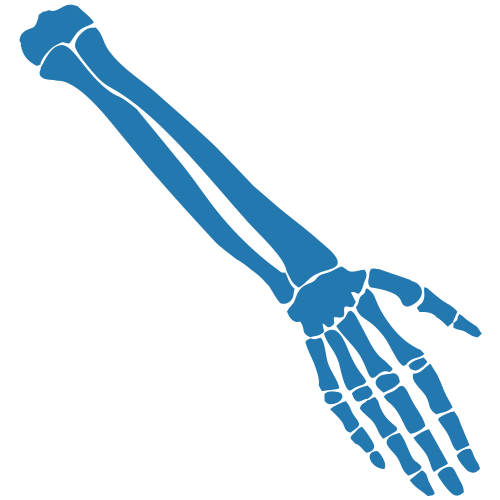
Figure 1: Anatomical targeted fixation across the radius and ulna complex utilizing polyaxial volar locking geometry.
Fixed-Angle vs. Variable-Angle (Polyaxial) Volar Plating Systems
The core innovation of the Variable Angle Distal Radius Locking Plate System developed by Sharma Orthopedic lies in its polyaxial locking ring/thread mechanics. Surgeons can target screw insertion within a 30° spatial cone (±15° off-axis trajectory relative to the plate hole center) without compromising mechanical construct stability or thread engagement integrity.
| Biomechanical Feature |
Monoaxial (Fixed-Angle) Volar Plates |
Sharma Variable Angle Volar Plates |
| Screw Trajectory Freedom |
Fixed single angle (0° offset) |
±15° Polyaxial freedom (30° total cone) |
| Subchondral Support Strategy |
Rigid fixed raft; cannot adapt to fragment alignment |
Customized polyaxial subchondral raft targeted at specific fragments |
| Risk of Articular Screw Penetration |
Elevated in distal joint line variations |
Minimized via intraoperative directional adjustment |
| Screw Head Profile |
Standard threaded head, potential volar prominence |
Ultra-low profile smooth chamfer flush engagement |
| Material Fatigue Resistance |
High fatigue under axial load |
Optimized stress distribution across cold-worked Grade 5 Titanium |
| Re-direction Capability |
Not possible without cross-threading |
Multi-lock thread configuration allows controlled trajectory refinement |
From an Information Gain perspective for hospital procurement committees, adopting Variable Angle Volar Plates directly correlates with reduced intraoperative fluoroscopy time, lower rates of revision surgeries caused by screw prominence or joint penetration, and enhanced initial fixation stability in osteopenic and osteoporotic bone beds.
Product Engineering & Specifications
2. Product Catalog & Technical Specifications Recommendation
Sharma Orthopedic India Limited manufactures a comprehensive portfolio of Variable Angle Distal Radius Locking Plates designed for precision anatomical fit, minimal soft tissue disruption, and universal surgical versatility. Manufactured in our 62,391 sq. ft. Waghodia facility, every implant undergoes stringent multi-stage inspection utilizing advanced optical comparator coordinate measuring machines (CMM).
2.4mm Variable Angle Volar Distal Radius Plate (Standard & Extra-Wide)
Specifically contoured to mirror the physiological volar tilt and radial inclination of the distal radius. Features a dual-raft distal screw configuration for optimal support of the lunate and scaphoid facets.
- Anatomical Profile: Volar contouring reduces the need for intraoperative plate bending.
- Watershed Line Geometry: Tapered distal edge rests proximal to the watershed line, protecting the FPL tendon.
- Material Options: Titanium Alloy (Ti-6Al-4V ELI) & Stainless Steel 316LVM.
- Head Widths: Narrow (4 holes), Standard (5 holes), Extra-Wide (6 & 7 holes).
- Shaft Lengths: 3-hole shaft to 14-hole shaft for shaft extension in complex segmental fractures.

Figure 2: Micro-engineered wrist plate layout ensuring low-profile cortical fit.
Comprehensive System Engineering & Dimension Specs
| System Parameter |
Technical Specification Details |
| Implants Classification |
Small Fragment Locked Osteosynthesis System / Hand & Wrist Trauma |
| Polyaxial Screw Compatibility |
2.4mm Variable Angle Locking Screws, 2.7mm Variable Angle Cortex Screws |
| Variable Angle Cone Range |
30° total solid cone trajectory (±15° off-axis alignment) |
| Plate Thickness Profile |
Tapered 1.5mm distal edge expanding to 2.0mm structural mid-shaft strength |
| Biocompatible Metallurgy |
ISO 5832-3 compliant Titanium Grade 5 ELI / ISO 5832-1 Stainless Steel 316LVM |
| Surface Processing |
Type II Anodization (Titanium) for anti-galling & superior fatigue limit |
| Surgical Instrument Set |
Color-coded drills, polyaxial drill guides, torque-limiting screwdrivers, depth gauges |
| Regulatory Approvals |
ISO 13485:2016 Certification, CE Mark, Indian CDSCO Manufacturing License |
Dorsal & Radial Styloid Variable Angle Plates
In addition to volar locking plates, Sharma Orthopedic supplies dorsal locking radius plates and radial styloid plates for complex dorsally comminuted fractures or columns-based fixation (Three-Column Theory of Distal Radius Fixation).
Industry Insights & Market Intelligence
3. Global Procurement Trends in Orthopedic Trauma Implants (2025–2030)
The global market for trauma implants is undergoing a dramatic structural transformation driven by aging demographics, expanding access to healthcare in emerging economies, and stringent international regulatory shifts. Hospital procurement directors and medical device importers must anticipate key macro trends to build resilient, cost-effective supply chains.
1. Shift Toward Polyaxial Modular Trauma Systems
Healthcare providers are actively consolidating vendor portfolios. Hospitals are replacing single-purpose monoaxial plates with universal polyaxial systems. Variable Angle Distal Radius Plates reduce surgical inventory overhead by 35% because a single plate SKU can accommodate varied fracture patterns that previously required multiple pre-angled inventory variants.
2. Supply Chain Diversification Beyond Western OEM Monopolies
Global health systems are transitioning away from high-markup traditional Western European and North American suppliers. ISO 13485 certified Indian manufacturers like Sharma Orthopedic deliver equivalent precision engineering, Type II anodized titanium, and fully traceable raw materials at a 40% to 60% competitive cost advantage.
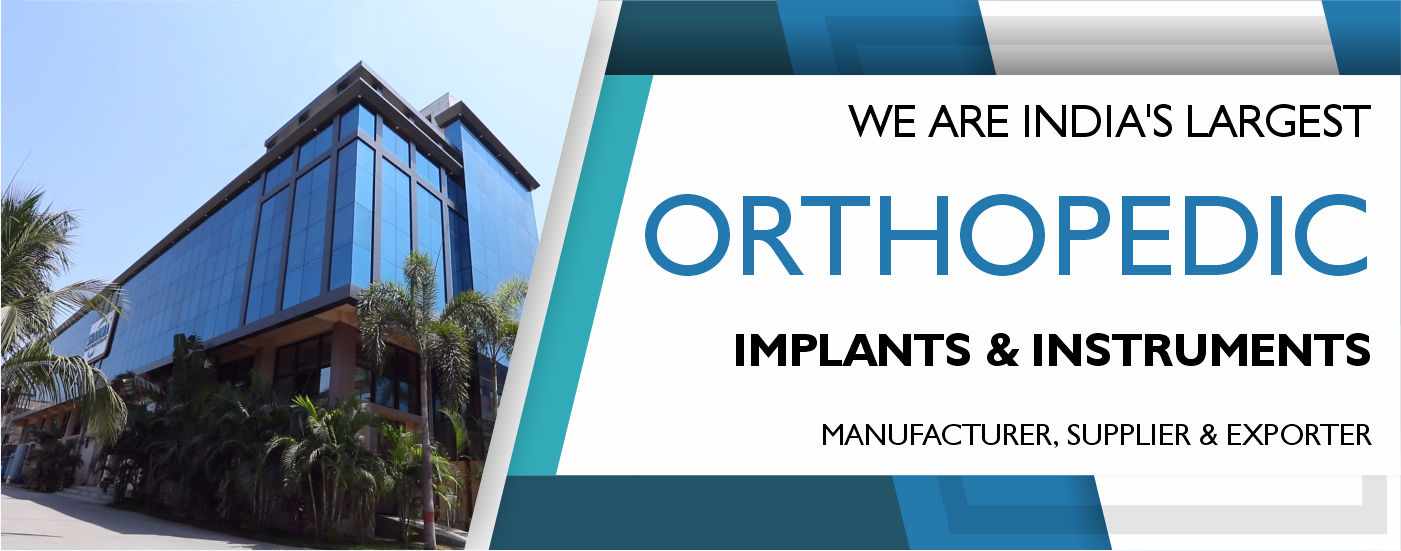
Figure 3: Modern 5-axis CNC machining center at Sharma Orthopedic's Waghodia facility, driving high-yield production of trauma implants.
3. Regulatory Tightening & Quality Traceability Requirements
With the implementation of the European Union Medical Device Regulation (EU MDR) and heightened scrutiny from global national health authorities, procurement leads can no longer rely on unverified suppliers. Modern hospital tenders mandate:
- 100% material heat-lot traceability from certified melting mills.
- Cleanroom double-sterile blister packaging options (ISO 11607 compliant).
- Biocompatibility test reports according to ISO 10993 standards.
- Comprehensive surgical technique guides and distributor training collateral.
R&D & Technological Evolution
4. Technological Innovations in Volar Locking Plate Design
The advancement of variable angle plating relies on sophisticated metallurgy, friction physics, and anatomical ergonomics. Sharma Orthopedic's dedicated R&D unit continuously innovates to refine plate-screw interfaces and surgical workflow efficiency.
Screw-Plate Interface Mechanics: Polyaxial Locking Rings
A key challenge in variable angle plates is ensuring that an off-axis screw maintains the same pull-out strength and mechanical rigidity as a perpendicular fixed-angle screw. Sharma Orthopedic utilizes precision-milled multi-thread technology within each distal plate hole. As the 2.4mm variable angle locking screw is driven into the plate at up to ±15°, the hardened titanium threads of the screw head compress into the female threads of the plate hole, creating a rigid structural construct without galling or thread stripping.
Anatomical Watershed Line Protection
The volar distal radius features a distinct ridge known as the watershed line. Implants placed distal to this line cause tendon rubbing against the plate's metal margin. Sharma Orthopedic's Variable Angle Distal Radius Plates feature a chamfered, ultra-thin distal edge that rests strictly proximal to the watershed line, virtually eliminating flexor tendon irritation.
Type II Electrochemical Surface Anodization
Titanium implants undergo specialized Type II anodization processing. This alters the surface micro-structure to drastically reduce titanium-on-titanium cold-welding (galling), increases fatigue strength, and minimizes metallic ion release in vivo.
Minimally Invasive Plate Osteosynthesis (MIPO) Compatibility
Modern trauma surgery emphasizes soft-tissue preservation. Our variable angle plates feature tapered proximal tips and slim shafts, facilitating smooth percutaneous submuscular sliding during Henry’s approach or modified volar approaches.
Global Procurement FAQ
5. Frequently Asked Questions by Global Buyers & Surgeons
We have compiled detailed answers to the most common technical, regulatory, and supply chain queries raised by international healthcare buyers, hospital procurement boards, and orthopedic distributors.
Q1: How does a Variable Angle Distal Radius Plate differ mechanically from a standard Fixed-Angle Volar Plate?
A standard fixed-angle volar plate utilizes rigid, pre-set threaded holes that force all distal locking screws to follow a strict, parallel trajectory. A Variable Angle Distal Radius Plate features specialized polyaxial thread sockets that allow the surgeon to direct each 2.4mm locking screw up to 15° in any direction from the central axis (offering a total 30° spatial cone). This allows precise targeting of specific bone fragments, avoidance of intra-articular joint penetration, and optimized subchondral raft support tailored to individual fracture patterns.
Q2: Which material is superior for distal radius plates—Grade 5 Titanium ELI or Stainless Steel 316LVM?
Both materials offer clinically proven performance, but they fulfill distinct buyer priorities. Titanium Alloy (Ti-6Al-4V ELI / Grade 5) offers superior strength-to-weight ratio, lower modulus of elasticity closer to human cortical bone (reducing stress shielding), excellent MRI compatibility, and zero nickel content for hypoallergenic peace of mind. Stainless Steel 316LVM (vacuum arc remelted) offers outstanding ductility, ease of intraoperative contouring, and a lower raw material unit cost. Sharma Orthopedic manufactures both variants to meet diverse market tenders and budget frameworks.
Q3: Can a variable angle locking screw be re-inserted or re-directed if trajectory adjustment is required intraoperatively?
Yes. Sharma Orthopedic's variable angle system is engineered with high-precision thread geometry that permits controlled screw trajectory refinement. If fluoroscopic imaging reveals an suboptimal initial screw vector, the screw can be backed out, realigned using the variable angle drill guide, and re-driven into the plate hole without stripping the internal locking threads, provided recommended insertion torque guidelines are maintained.
Q4: What instrumentation is included in the Sharma 2.4mm Variable Angle Distal Radius Surgical Kit?
The comprehensive surgical set includes an ergonomic quick-coupling screwdriver handle, star-drive (T8/T10) torque-limiting screwdriver shafts, coaxial and polyaxial drill guides, 1.8mm and 2.0mm calibrated drill bits, stainless steel Kirschner wires (1.5mm), depth gauges, plate bending irons, and a custom anodized aluminum sterilization tray built for double-tier hospital autoclaving.
Q5: How does Sharma Orthopedic support international registration and regulatory compliance for global tenders?
Sharma Orthopedic India Limited provides comprehensive regulatory support packages for our global distributor partners. This includes complete Technical Files (STED format), ISO 13485:2016 quality certificates, CE certificates of conformity, Certificate of Free Sale (CFS), material test certificates (MTR ISO 10204 3.1), biocompatibility validation reports, and stability testing documentation required by national health authorities across Asia, Africa, Latin America, Europe, and the Middle East.
Q6: What are the Minimum Order Quantities (MOQ), lead times, and OEM / Private Label capabilities?
We support both standard distributor stock orders and custom OEM / private label manufacturing. Standard catalog items typically carry low MOQs to support initial market entry. Lead times range from 2 to 4 weeks depending on order volume and packaging specifications (non-sterile bulk vs. sterile individual blister packaging). OEM private labeling includes custom laser marking of buyer brand logos, catalog part numbers, lot matrix barcodes, and specialized packaging branding.
Q7: How does plate contouring prevent Flexor Pollicis Longus (FPL) tendon rupture?
Flexor Pollicis Longus tendon irritation or rupture is a known complication of distal radius volar plating when implants protrude past the watershed line. Sharma's anatomical plate contouring incorporates a recessed distal lip and low-profile screw heads that sit perfectly flush within the plate counter-sinks. Surgeons are guided to place the plate proximal to the watershed line, ensuring soft tissue envelope protection.
Corporate Governance & Experience
6. Why Global Healthcare Leaders Partner with Sharma Orthopedic
Founded in 1992, Sharma Orthopedic India Limited has established itself as one of the top orthopedic implant manufacturers in Asia. Our continuous investments in advanced technology, clinical expertise, and robust regulatory compliance make us the premier choice for international hospital networks and distributors.
30+ Years Heritage
Three decades of specialized manufacturing experience in trauma, spinal, and joint replacement implants—trusted by surgeons in 50+ countries.
62,391 Sq. Ft. Facility
State-of-the-art campus in Waghodia, Vadodara, Gujarat, housing multi-axis CNC machines, cleanroom ISO Class 7 packaging, and automated polishing.
10,000+ Active SKUs
A complete single-source portfolio spanning trauma plates, intramedullary nails, hip & knee prostheses, spinal systems, and external fixators.

Figure 4: Global clinical trust backed by ISO 13485 quality systems and rigorous batch testing.
Rigorous Quality Management System (QMS)
Our dedicated team of 10 Quality Control (QC) engineers and 8 Regulatory Affairs (RA) specialists enforce stringent quality protocols across every stage of manufacturing. Raw materials are sourced exclusively from certified medical-grade suppliers with mill test certificates accompanying every batch.
Global Event & Exhibition Presence
Sharma Orthopedic actively participates in world-renowned medical and surgical congresses, including FEMECOT 2026, MEDICA Germany, Arab Health Dubai, and FIME USA, establishing strong collaborative ties with global surgical communities.
Partner with India's Premier Trauma Implants Manufacturer
Are you a medical device distributor, hospital tender bidder, or OEM partner seeking high-precision Variable Angle Distal Radius Plates? Speak directly with our international sales and technical support engineering team.
