Explore our ISO 13485 and CE certified clinical solutions engineered for joint replacement, vertebroplasty, trauma reconstruction, and veterinary orthopedics.
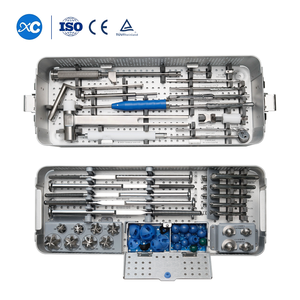
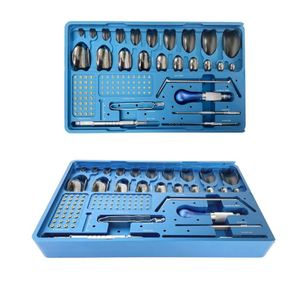
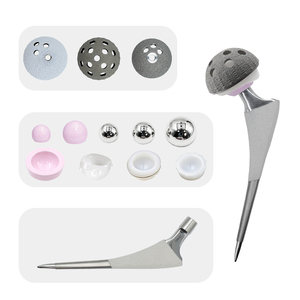
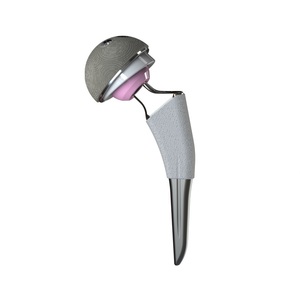
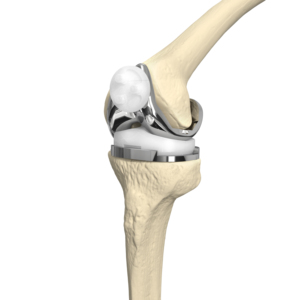
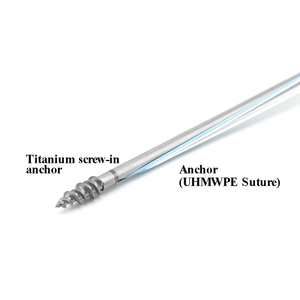
With over 30 years of manufacturing heritage, state-of-the-art 62,391 sq. ft. cleanroom infrastructure, and distribution networks spanning 50+ countries, we serve as the premier OEM/ODM manufacturing partner for hospital procurement departments and global orthopedic brands.
Injectable bone cement represents a cornerstone of modern minimally invasive orthopedic surgery, providing immediate mechanical stabilization and structural augmentation for compromised osseous structures. As China's leading supplier and exporter, our injectable bone cement formulations undergo precise polymer synthesis to achieve optimal handling phases, viscosity transitions, radiopacity, and mechanical strength profiles matching natural human cortical and cancellous bone structures.
Primary clinical formulations fall into two main categories: Polymethyl Methacrylate (PMMA) Acrylic Bone Cements and Calcium Phosphate Cements (CPC). PMMA formulations rely on an exothermic free-radical polymerization reaction initiated by mixing liquid methyl methacrylate monomer (MMA) with pre-polymerized PMMA powder containing benzoyl peroxide (BPO) and radiopacifying agents. Calcium phosphate cements, conversely, undergo an isothermal setting process to yield synthetic hydroxyapatite, offering bioresorbable and osteoconductive properties suitable for non-weight-bearing defect reconstruction.
Engineered liquid-to-powder ratio enables a extended doughing phase (3–5 minutes) and a controllable injection window (6–10 minutes), preventing early viscosity spike and catheter blockage during balloon kyphoplasty.
Advanced chemical cooling modifiers maintain maximum peak polymerization temperatures below 68°C in vivo, significantly reducing thermal necrosis risks to adjacent spinal cord tissues and microvascular beds.
Micronized Barium Sulfate (BaSO4) or Zirconium Dioxide (ZrO2) particles (30% to 45% w/w concentration) ensure ultra-clear fluoroscopic visibility during percutaneous vertebroplasty, mitigating extravasation risk.
The table below illustrates key physical, chemical, and performance metrics comparing our high-viscosity PMMA acrylic injectable bone cement with bioresorbable calcium phosphate cement formulations compliant with ISO 5833 and ASTM F451 standards.
| Technical Parameter | High-Viscosity PMMA Bone Cement | Bioresorbable CPC Bone Cement | Clinical Relevance |
|---|---|---|---|
| Primary Mechanism | Free-radical acrylic polymerization | Isothermal dissolution-precipitation | Determines intraoperative temperature peak |
| Peak Setting Temperature | 62°C – 70°C | 37°C – 40°C (Isothermal) | Thermal safety for adjacent neurological structures |
| Compressive Yield Strength | 85 – 105 MPa | 35 – 55 MPa | Load-bearing capability in spinal/joint arthroplasty |
| Bending Modulus | 2,200 – 2,800 MPa | 1,800 – 2,400 MPa | Matches structural elasticity of subchondral bone |
| Radiopacifier Component | 30%–45% BaSO4 / ZrO2 | Endogenous Calcium-Phosphate shadow | Real-time C-arm fluoroscopy imaging contrast |
| Injectability Window | 7 to 11 minutes (at 23°C ambient) | 5 to 8 minutes (at 23°C ambient) | Surgical working window for multi-level injection |
| Biological Fate | Non-resorbable permanent spacer | Bioresorbable osteoconductive matrix | Long-term bone remodeling and substitution |
B2B procurement officers, hospital purchasing boards, and orthopedic medical device distributors must evaluate injectable bone cement based on exact clinical procedure types. Our research and manufacturing facility in Vadodara, Gujarat produces tailored bone cement delivery kits optimized for distinct anatomical challenges:
Osteoporotic vertebral compression fractures (VCF) and spinal hemangiomas require bone cements with immediate high viscosity upon mixing. Our specialized spinal bone cement formulations minimize monomer leakage through cortical breaches while allowing low-force injection via 10G to 13G bone access needles.
In Primary and Revision Total Joint Arthroplasty (TJR), low-to-medium viscosity bone cement fills the micro-interspaces between modified cancellous bone structures and metallic implant stems (CoCrMo, Titanium Alloy, Stainless Steel), facilitating immediate post-operative load transfer.
Driven by an aging global population, rising incidence of osteoporosis, and rapid adoption of ambulatory surgical centers (ASCs), the global market for injectable bone cement and vertebral augmentation delivery systems is projected to expand at a CAGR of 6.8% through 2030. Healthcare procurement teams must align their supply chain strategies with five key technological transformations:
Next-generation PMMA cements are increasingly incorporated with mesoporous bioactive glass nanoparticles (MBGNs) and strontium-substituted apatite. These additives trigger bio-mineralization at the bone-cement interface, closing the gap between inert acrylic stabilization and active biological integration.
Regulatory bodies (such as EU MDR and US FDA) are establishing stricter rules regarding operating room monomer vapor exposure. Future procurement mandates will prioritize pre-packed, closed vacuum mixing systems that eliminate air bubble inclusions, maximize fatigue life, and safeguard surgical staff.
With rising antimicrobial resistance (AMR), single-agent antibiotic cements are giving way to synergistic dual-antibiotic blends (e.g., Vancomycin + Gentamicin). Modern formulations guarantee sustained local release kinetics over 28 days without compromising structural polymer cross-linking.
Selecting an OEM/ODM supplier for surgical injectable bone cement and orthopedic joint implants requires strict validation of quality management systems, cleanroom sterilization protocols, and global regulatory support. Our production campus in Waghodia, Gujarat represents an apex of medical device manufacturing capability:
All powder synthesis, monomer ampoule filling, liquid mixing, and primary packaging take place in certified ISO 13485 cleanroom environments, ensuring zero bioburden contamination prior to gamma-ray or ethylene oxide (EtO) terminal sterilization.
Complementing our chemical biomaterial division, our 62,391 sq. ft facility houses multi-axis Integrax machines, robotic plasma coating units, and CMM laser measurement equipment for manufacturing hip, knee, spine, and veterinary implant sets.
We provide full technical documentation including Biocompatibility Reports (ISO 10993), Accelerated Aging Studies (ASTM F1980), Fatigue Test Records, and Sterilization Validation files to streamline localized health authority registrations worldwide.
From custom viscosity adjustments and private-label packaging to custom delivery gun syringe dimensions, our 8-person RA/QA team and 5 R&D design engineers deliver flexible OEM/ODM solutions tailored to international tender requirements.
Detailed technical and commercial answers addressing common inquiries from hospital purchasing managers, orthopedic distributors, and regulatory officers.
Our PMMA injectable bone cement kits have a validated shelf life of 36 months when stored in original unopened blister packaging at controlled room temperatures (below 25°C). Monomer liquid ampoules must be protected from direct light to prevent premature auto-polymerization.
Yes. We provide full OEM customization options. We can adjust Barium Sulfate (BaSO4) or Zirconium Dioxide (ZrO2) concentrations between 30% and 45% for specialized fluoroscopic tracking, and pre-mix antibiotics such as Gentamicin, Tobramycin, or Vancomycin per your regional market regulations.
As defined by ISO 5833 standards, setting times are measured at 23°C. Higher ambient temperatures shorten both doughing and setting phases, while lower temperatures prolong working time. Detailed temperature-versus-viscosity curves are provided in our technical product manuals.
Our injectable bone cement syringes, mixing systems, and high-pressure delivery guns feature standard Luer-lock connection ports, ensuring 100% cross-compatibility with international 10G–13G vertebroplasty needles and balloon kyphoplasty catheter systems.
Our manufacturing infrastructure operates under strict ISO 13485:2016 quality management systems. Our implants and biomaterial lines hold CE certificates, GMP compliance badges, and full traceability logs from raw material batching to final sterile packaging.
Standard product SKUs maintain a baseline MOQ of 50 units for trial orders. Lead times for standard inventory range from 2 to 3 weeks, while custom OEM/ODM packaging or modified biomaterial runs typically require 4 to 6 weeks depending on regulatory registration requirements.
Request comprehensive product catalogs, technical white papers, regulatory compliance dossiers, and wholesale factory pricing from our international sales department today.