
Explore our internationally certified surgical solutions engineered for biomechanical stability, precision anatomical fit, and high patient recovery success rates.
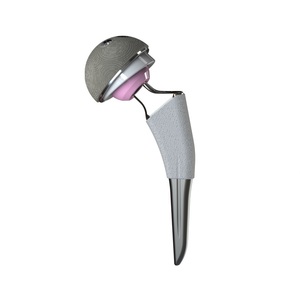
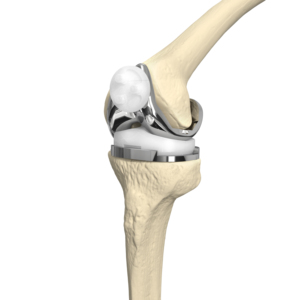
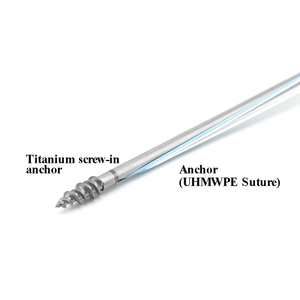
Femoral fractures—ranging from subtrochanteric and femoral shaft disruptions to distal metaphyseal fractures—demand surgical stabilization systems capable of enduring immense biomechanical shear, torsional stresses, and axial loads. As a premier global OEM/ODM Femoral Intramedullary Nails Factory and Exporter, our engineering philosophy unites clinical anatomy insights with high-precision metallurgy to manufacture intramedullary interlocking nails that deliver optimized load-sharing characteristics, minimize stress shielding, and accelerate callus formation.
The primary biomechanical mandate of an intramedullary nail (IMN) is to act as an internal splint that aligns with the neutral axis of the femur. Standard rigid constructs often fail to accommodate the sagittal radius of curvature (ROC) of the human femur, leading to anterior cortical impingement or distal perforation. Our customized OEM/ODM designs incorporate a anatomical bow radius refined to 1.5 meters (1500 mm), drastically reducing insertion resistance and preventing hoop stress concentrations within the femoral canal.
Targeted insertion trajectories tailored for piriformis fossa, trochanteric tip, or retrograde supracondylar access points, minimizing soft tissue dislocation.
Dynamic and static transverse locking options offering omni-directional axial stability and controlled intraoperative compression up to 7mm.
Deep helical fluting allows reamed debris egress while reducing medullary pressure, maintaining vascular vitality in periosteal tissues.
Material selection directly dictates the fatigue lifespan of an orthopedic implant. Through our advanced OEM/ODM manufacturing processes, hospital procurement teams and brand partners can specify implants forged from implant-grade Titanium Alloy (Ti-6Al-4V ELI / ASTM F136) or high-nitrogen Stainless Steel (316LVM / ASTM F138):
| Biomechanical Characteristic | Titanium Alloy (Ti-6Al-4V ELI) | Stainless Steel (316LVM Vacuum Arc Remelt) |
|---|---|---|
| Modulus of Elasticity (GPa) | 110 GPa (Closer to human cortical bone ~18 GPa) | 200 GPa (Higher rigidity; minimal deflection) |
| Fatigue Limit (Cycles @ 500 MPa) | > 10,000,000 cycles (Superior stress endurance) | > 5,000,000 cycles (Excellent immediate rigidity) |
| MRI Compatibility & Artifacts | Non-magnetic; minimal distortion artifacts | Moderate magnetic susceptibility distortion |
| Surface Modification Treatment | Type II Hard Anodization / Micro-Arc Oxidation (MAO) | Passivation & Electrochemical Polishing |
| Clinical Application Preference | Comminuted fractures requiring biological healing | Heavy load-bearing or budget-constrained procurement |
In osteoporotic trochanteric fractures, traditional lag screws are prone to "cut-out" through the femoral head. Our ODM development team has introduced integrated Helical Blade Mechanisms and integrated anti-rotation set screw systems. The helical blade compacts the cancellous bone surrounding the implant during insertion rather than removing it, enhancing rotational stability by 45% and exponentially increasing pull-out force resistance.
As global healthcare expenditures shift toward value-based purchasing, orthopedic distributors, hospital chains, and medical device brands are drastically restructuring their supply chain strategies. Key trends reshaping the OEM/ODM intramedullary nail market include:
Global buyers are reducing fragmented supplier networks in favor of vertically integrated manufacturers capable of supplying total arthroplasty (THR/TKR), trauma locking plates, and intramedullary nails under a unified ISO 13485 quality audit umbrella.
Heightened clinical evaluation report (CER) requirements demand that OEM/ODM exporters provide robust post-market surveillance data, validated cleanroom packaging, and complete raw material traceability back to the titanium ingot forge.
Growth in demand for specialized implant geometries targeting non-standard anatomical variations across Asia-Pacific, Latin American, and African patient populations, driving rapid rapid-prototyping requests from factory partners.
Looking toward the next decade of trauma care, the industry is witnessing the convergence of additive manufacturing and sensor technologies. Next-generation intramedullary nails are incorporating 3D-printed Trabecular porous titanium proximal zones that promote rapid osteointegration. Furthermore, research into embedded micro-strain sensors will soon allow orthopedists to remotely monitor real-time fracture healing and axial load sharing via wireless telemetry, drastically optimizing patient weight-bearing timelines.
Founded in 1992, our manufacturing headquarters in Vadodara, Gujarat represents a high-tech center of excellence spanning 62,391 square feet. We combine decades of metallurgical expertise with rigorous European CE quality systems to empower orthopedic brands across 50+ countries.
Co-engineering anatomical dimensions and stress distribution models based on client specifications.
5-axis machining from certified medical-grade Ti-6Al-4V ELI or 316LVM raw stock.
Color anodization and hard coating treatments to boost surface hardness and friction reduction.
100% CMM dimensional checks, cleanroom double-pouch sealing, and global export logistics.
Addressing vital technical, regulatory, and commercial inquiries for global healthcare distributors and OEM brand buyers.