
Explore our export-grade medical devices manufactured under cleanroom environments using premium implantable materials.
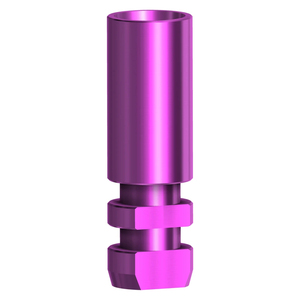
Ultra-precise titanium digital replacements designed for exact alignment and seamless lab CAD/CAM integration.
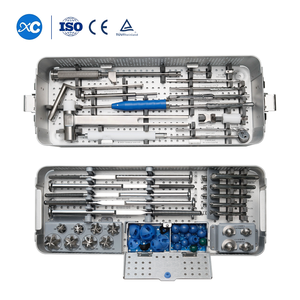
Ergonomic veterinary & orthopedic instrument set crafted from high-durability surgical stainless steel.
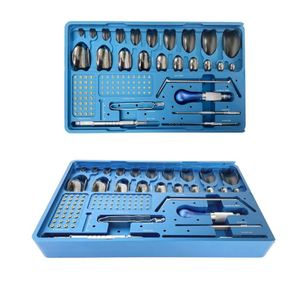
Comprehensive pedicle screw and hip replacement instrument sets engineered specifically for veterinary arthroplasty.
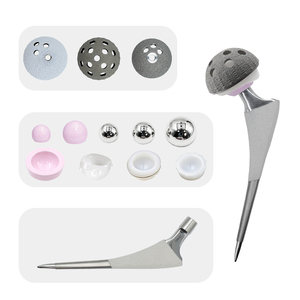
Biocompatible porous-coated acetabular cup designed for biological fixation and long-term joint stability.
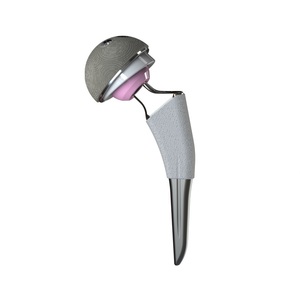
Ti-6Al-4V ELI femoral stem engineered for optimal load distribution and reduced stress shielding.
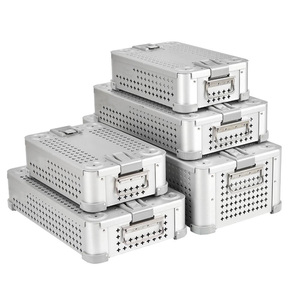
Factory-direct surgical implant collection offering exceptional structural rigidity and corrosion resistance.
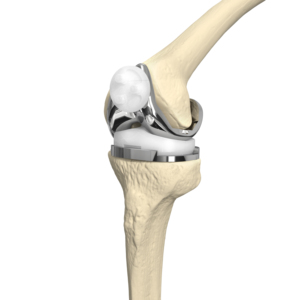
High-flexion total knee replacement system with polished wear-resistant Cobalt-Chromium bearing surfaces.
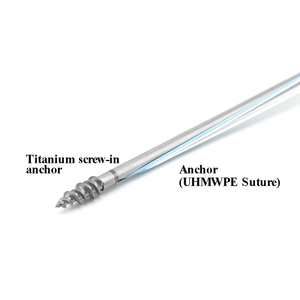
Advanced arthroscopic fixation anchors ensuring high pull-out strength for soft tissue repair.
An authoritative analysis on biomechanical load-bearing, material selection, pedicle screw architecture, and OEM contract manufacturing standards.
The thoracolumbar junction (T10–L2) represents a biomechanically volatile transition zone within the human axial skeleton. It bridges the rigid, rib-cage-stabilized thoracic spine with the flexible, lordotic lumbar segment. Consequently, traumatic fractures, degenerative disc pathologies, spinal deformities (such as scoliosis and kyphosis), and tumor resections in this region present profound mechanical challenges. High shear stress, rotational forces, and axial flexion moments require internal fixation systems that deliver immediate postoperative rigid stability, facilitate osseous fusion, and preserve sagittal balance.
Modern thoracolumbar spinal fixation systems depend heavily on pedicle screw geometry to establish rigid anchorage within the pedicle isthmus and vertebral body. OEM/ODM manufacturing protocols prioritize dual-thread profiles—incorporating a sharp, deep cancellous thread at the distal tip for fast vertebral engagement and a fine cortical thread proximal to the screw neck to optimize pull-out strength at the pedicle cortex.
| System Parameter | Engineering Specification | Clinical / Biomechanical Benefit |
|---|---|---|
| Material Alloy | Titanium Alloy Ti-6Al-4V ELI (ASTM F136 / ISO 5832-3) | High fatigue strength, low magnetic susceptibility (MRI compatible), optimal modulus of elasticity reducing stress shielding. |
| Screw Types | Monoaxial, Polyaxial, Cannulated MIS, Deformity Reduction | Polyaxial heads allow up to 52° angular displacement for seamless rod seated alignment across multi-level constructs. |
| Rod Diameters | Ø 5.5 mm & Ø 6.0 mm (Titanium & CoCrMo options) | CoCrMo rods offer heightened flexural rigidity for severe deformity correction; Titanium rods provide physiological compliance. |
| Locking Mechanism | Reverse Angle / Buttress Thread Set Screws | Eliminates head splay, prevents cross-threading, and ensures stable torque locking up to 12 Nm. |
| Surface Finish | Anodized Color-Coding & Micro-bead Blasted Surface | Immediate surgical identification and enhanced implant micro-roughness for bone-implant interface friction. |
Choice of screw articulation determines surgical versatility. Monoaxial pedicle screws lock the screw shank rigidly perpendicular to the rod sleeve, providing unmatched rigidity during sagittal plane translation and reduction maneuvers in spondylolisthesis. Conversely, polyaxial pedicle screws incorporate a spherical joint within the screw housing, permitting multi-directional swivel (up to 52 degrees total cone angle). This significantly reduces the need for aggressive rod contouring, minimizing stress concentration points along the longitudinal rod construct.
Implant failure in spinal instrumentation often stems from set screw cross-threading or head splay under extreme final tightening forces. Advanced OEM designs utilize a reverse-angle thread (or square thread geometry) that converts radial outward forces into axial pulling forces. This maintains the structural integrity of the tulip housing during intraoperative tightening with torque-limiting drivers set precisely to 10-12 Nm.
Strategic insights for medical device distributors, OEM brand owners, and hospital procurement boards navigating global supply chain shifts.
Global surgical preferences are rapidly leaning toward percutaneous MIS pedicle screw fixation. MIS systems feature extended screw sleeves, specialized retractor blades, and self-tapping cannulated screws designed for fluoroscopic guide-wire insertion. Procurement demand for MIS-compatible spinal sets is projected to grow by 14.2% CAGR over the next decade.
Next-generation thoracolumbar pedicle screws must integrate seamlessly with optical and electromagnetic intraoperative navigation systems. OEM manufacturing now mandates ultra-precise manufacturing tolerances (within ± 0.01 mm) to ensure accurate tracker array mounting and optical reference pin calibration.
Additive 3D titanium printing enables porous trabecular surface structures on spinal interbody cages and pedicle screw surfaces, promoting accelerated osteointegration. Additionally, semi-rigid dynamic stabilization using PEEK (Polyetheretherketone) rods is gaining traction for preventing Adjacent Segment Disease (ASD).
Global medical device distributors are increasingly diversifying away from single-source Western manufacturers toward audited, high-capacity Indian manufacturing hubs. Contract OEM partners offering complete turn-key solutions—from custom laser etching to localized sterile barrier blister packaging—are securing major tender contracts.
The tightening of global medical device regulations (e.g., EU MDR 2017/745 transition) has raised barrier-to-entry standards. Global procurement officers prioritize factory partners possessing comprehensive clinical evaluation reports (CER), ISO 13485:2016 certifications, and fully traceable raw material heat lots.
Healthcare systems worldwide face immense budget constraints. Direct purchasing from vertically integrated factory exporters eliminates distributor markup layers, allowing surgical centers to procure premium Ti-6Al-4V ELI spinal fixation kits at 30% to 50% lower unit costs while preserving clinical efficacy.
Combining over three decades of precision surgical engineering with world-class production infrastructure in Vadodara, Gujarat.
Spanning 62,391 sq. ft. of advanced manufacturing space, our campus houses high-speed 5-axis CNC machining centers, Citizen Swiss-type sliding head lathes, and automated multi-axis wire EDM machines capable of achieving micron-level precision tolerances.
Implant cleanliness is paramount. All spinal pedicle screws and rods undergo ultrasonic multi-stage cleaning and are packaged inside certified Class 10,000 (ISO Class 7) cleanrooms to ensure sterile barrier integrity before gamma or ETO sterilization.
From initial 3D CAD modeling and finite element analysis (FEA) stress testing to custom color anodization, laser marking (UDI compliance), and specialized instrument tray design, we deliver tailored turnkey solutions for private brands.
Equipped with Zeiss Coordinate Measuring Machines (CMM), optical comparators, and automated fatigue testing rigs capable of evaluating axial compression, torsional shear, and dynamic bending fatigue per ASTM F1717 standards.
With an active presence in over 50 countries across Latin America, Europe, Africa, Asia-Pacific, and the Middle East, our international regulatory team facilitates seamless registration and customs clearance documentation.
Beyond thoracolumbar spinal systems, our catalog encompasses complete arthroplasty (THR/TKR), trauma locked plating, intramedullary interlocking nails, arthroscopy anchors, and cranial-maxillofacial (CMF) fixation devices.
Detailed technical answers to common queries raised by orthopedic importers, biomedical engineers, and surgical procurement specialists.
Connect with our engineering and international export team today to receive detailed technical catalogs, OEM price quotations, and regulatory compliance dossiers.
Inquire Now