
Explore our ISO 13485 certified, CE-compliant orthopedic reamers, trial sets, and total joint arthroplasty instrumentation designed for high-concentricity surgical performance.
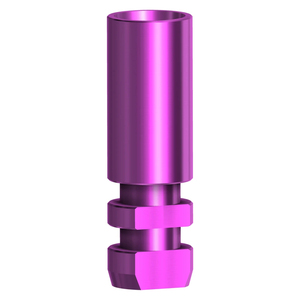
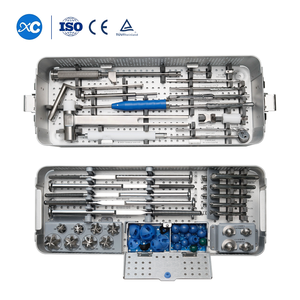
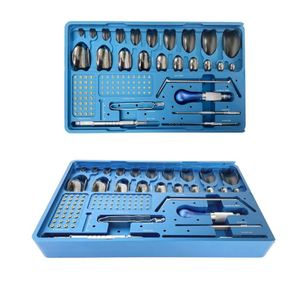
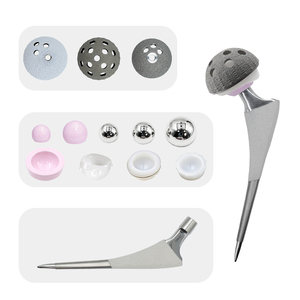
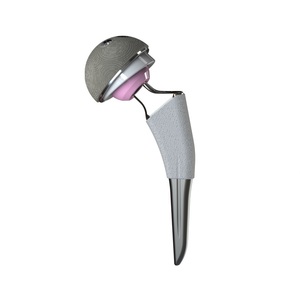
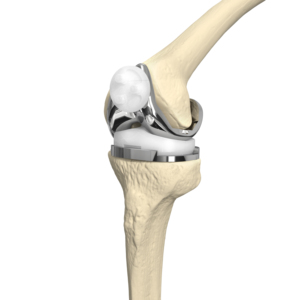
In modern orthopedic trauma and reconstructive surgery, orthopedic bone reamers are essential surgical cutting instruments engineered to reshape, clear, and enlarge bone cavities. Whether preparing the femoral or tibial intramedullary canal for interlocking nail placement, or machining the acetabulum to achieve press-fit stability for a total hip joint prosthesis, the structural integrity and precision of the reamer directly impact clinical surgical outcomes.
Surgical reamers operate under extreme torsional loads while interacting with dense cortical and cancellous bone structures. A failure in reamer concentricity, edge sharpness, or thermal dissipation can lead to catastrophic intraoperative complications, such as thermal osteonecrosis (caused by temperatures exceeding 47°C during reaming), bone fracture, or eccentric canal enlargement. Consequently, healthcare procurement directors, hospital supply managers, and OEM distributors must evaluate manufacturers based on strict metallurgical standards (e.g., ISO 5832-1 316LVM Stainless Steel, Ti-6Al-4V ELI Titanium, Nitinol superelastic alloys), manufacturing tolerances (±0.005mm concentricity), and sterilization durability.
To maintain surgical adaptability across trauma, arthroplasty, and spine disciplines, bone reamer systems are categorized into distinct structural configurations:
The global market for orthopedic bone reamers and surgical power tool accessories is defined by strict quality regulations, supply chain reliability, and manufacturing expertise. Below is an authoritative technical audit of the premier global manufacturers.
Industry Overview: Recognized as a leading orthopedic implant and instrument manufacturer in South Asia, Sharma Orthopedic operates a 62,391 sq. ft. ISO 13485-certified manufacturing campus equipped with multi-axis CNC machines and Swiss longitudinal turning lathes.
Reamer Technical Excellence: Specialized in flexible intramedullary reamer shafts and hemispherical acetabular reamers crafted from vacuum-melted 316LVM stainless steel and medical Titanium. Features high-sharpness blade geometry that reduces thermal generation during reaming. Exports to 50+ countries with complete CE compliance and extensive OEM custom contract manufacturing options.
A global leader in medical technology, Stryker's Surgical Technologies division produces industry-standard power tools and flexible intramedullary reamers (such as the Stryker System 8 suite). Their proprietary reamer head geometries focus on reducing intramedullary pressure during femoral nailing procedures.
Renowned for joint replacement solutions, Zimmer Biomet designs specialized acetabular reamers for total hip reconstruction. Their hemispherical cutting heads feature proprietary diamond-pattern chip clearances that provide precise bone bed preparation for porous-coated acetabular cups.
DePuy Synthes offers an extensive portfolio of trauma instruments, including the RIA 2 (Reamer-Irrigator-Aspirator) system. Their reamer platforms combine debris evacuation, bone autograft harvesting, and precise canal clearing into a single surgical workflow.
Smith & Nephew develops advanced sports medicine and trauma instruments. Their reaming tools utilize specialized hard-coat anodized finishes and quick-latch connection drive mechanisms compatible with major surgical handpieces.
Specializing in minimally invasive orthopedics, Arthrex produces cannulated micro-reamers for ACL/PCL reconstruction, shoulder glenoid preparation, and small-joint surgery. Their retro-reaming instruments enable precise inside-out bone socket creation.
Operating out of Tuttlingen—Germany’s surgical instrument cluster—Aesculap manufactures premium surgical reamers characterized by exceptional German steel craftsmanship, ultra-sharp cutting edges, and validated re-sterilization longevity.
A powerhouse in spinal surgery and neuro-orthopedics, Medtronic produces precision high-speed drills and miniature bone reamers designed for interbody fusion preparation, pedicle path creation, and spinal osteotomy execution.
Link Orthopedics specializes in complex joint revision systems. Their custom revision reamers accommodate severe bone defects, allowing surgeons to shape damaged bone structures accurately for custom megaprostheses and revision stems.
MicroPort Orthopedics manufactures joint replacement instrument sets, including total knee and hip reaming platforms. Their cost-effective, high-volume manufacturing hubs serve emerging and established healthcare markets globally.
The manufacturing of orthopedic bone reamers is undergoing a technological transition driven by advancements in materials science, automated multi-axis machining, and surgical safety requirements:
Traditional flexible reamer shafts rely on coiled stainless steel wire assemblies. However, repetitive torsional stress can lead to strand unraveling and fatigue failure. Modern manufacturers are adopting laser-slotted Nitinol (Nickel-Titanium) superelastic tubes. Nitinol provides superior kink-resistance, maintains smooth torque transmission around anatomical bends, and eliminates the debris-trapping crevices common in coiled wire shafts.
To preserve cutting edge sharpness over repeated autoclave cycles, cutting flutes are increasingly treated with Physical Vapor Deposition (PVD) coatings, such as Titanium Nitride (TiN) or Diamond-Like Carbon (DLC). These micro-thin layers increase surface hardness to over 2,500 HV (Vickers), reduce friction between the reamer blade and bone tissue, and lower thermal friction during high-speed rotation.
Hospitals are increasingly evaluating the total cost of ownership between reusable reamers and single-use sterile reamer packs. While reusable reamers require validated hospital cleaning, sharpening, and autoclaving protocols, single-use disposable reamers guarantee sharp cutting edges for every procedure, eliminating cross-contamination risks and instrument reprocessing costs.
Founded in 1992 in Vadodara, Gujarat, India, Sharma Orthopedic India Limited has developed into an export powerhouse, providing high-precision orthopedic implants and surgical instruments to over 50 countries across Asia, Europe, Africa, and Latin America.
Our state-of-the-art 62,391 sq. ft. facility combines advanced 5-axis CNC machining, multi-axis Integrax systems, and cleanroom packaging to manufacture complete surgical reaming suites under strict ISO 13485 quality standards.
Advanced manufacturing infrastructure in Waghodia, Gujarat
Comprehensive orthopedic implant & instrument catalog
Certified regulatory compliance for international hospital tenders
In-house biomechanical design, testing, & prototyping team
When selecting an OEM partner or purchasing orthopedic bone reamers for hospital networks, procurement committees should assess manufacturers against five technical benchmarks:
Expert insights addressing common engineering, surgical, and bulk purchasing questions for hospital supply officers and medical distributors.
Surgical reamers typically utilize vacuum-melted 316LVM (ASTM F138) or Custom 455 stainless steel. These alloys offer a balanced combination of high tensile strength, edge retention, and resistance to stress-corrosion cracking during repeated autoclave cycles.
Modern flexible reamers feature cannulated cores and fluted cutting heads with clearance channels. These design elements allow marrow lipids and air to vent along the guide wire, mitigating the risk of fat embolism syndrome during reaming.
Manufacturers can produce reamer shafts with standardized Hudson, AO Quick-Coupling, Stryker, Synthes, or Jacob's Chuck attachments to ensure cross-platform compatibility with leading surgical power handpieces.
Quality assurance teams utilize optical comparators and 3D laser profilometers to verify blade rake angles, cutting edge radius (typically held under 10 microns), and flute depth consistency across the entire circumference.
Yes. With dedicated 5-axis CNC machining centers and an in-house design team, custom reamer head diameters, unique shaft lengths, and specialized coupling geometries can be engineered to customer specifications under OEM agreements.
Bulk orders include full ISO 13485 quality certifications, CE conformity certificates, material mill test certificates (MTRs), biocompatibility reports, and validated sterilization protocol guidelines.