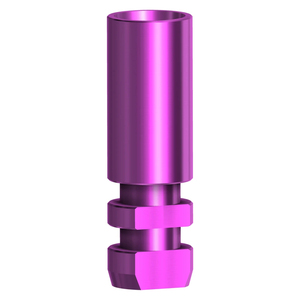
Engineered for absolute concentricity, high-torque pass-through drilling, and long-term bio-compatibility in demanding orthopedic traumatology and joint reconstruction procedures.
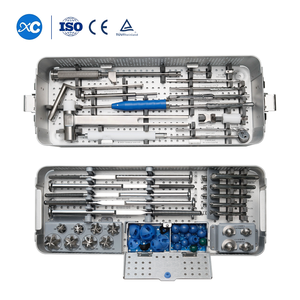
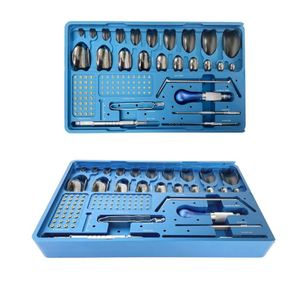
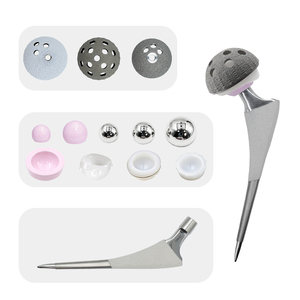
An authoritative analysis for clinical engineers, hospital procurement directors, and orthopedic trauma specialists on cannulation mechanical tolerances, motor dynamics, and surgical outcome optimization.
Cannulated surgical drills represent a critical advancement in minimally invasive orthopedic traumatology and joint reconstruction. Unlike solid-shaft surgical drills, a cannulated drill features a continuous longitudinal bore (hollow center channel) extending from the drive chuck through the entire rotor assembly and battery housing. This internal clearance lumen—typically standardized between 2.0 mm, 3.2 mm, 4.0 mm, and 4.5 mm diameters—allows Kirschner wires (K-wires), guide pins, and flexible reamer shafts to pass directly through the power tool during active drilling.
From a bio-mechanical engineering standpoint, maintaining concentricity and rotational alignment along the cannulated shaft is paramount. Any micro-deviation or eccentricity exceeding 0.05 mm can lead to thermal necrosis of adjacent cortical bone, pin deflection, or premature fatigue failure of the Kirschner wire. Leading manufacturers utilize 5-axis Swiss CNC machining center technologies to drill and hone the inner cannulation channel, ensuring optimal axial alignment and vibration-free operation under high torque loads (exceeding 3.5 Nm to 10 Nm depending on gear reduction ratios).
Modern cannulated drills incorporate sealed, brushless DC (BLDC) motors driven by microprocessors. BLDC motors eliminate carbon brush friction, generating 35% less heat, maintaining constant speed under heavy bone resistance, and offering complete resistance to moisture during autoclave cycles.
Surgical power tools must withstand repeated moist heat steam sterilization at 134°C (273°F) under 2.1 bar pressure. Advanced silicone-sealed motor chambers, fluororubber O-rings, and anodized aircraft-grade aluminum alloy shells guarantee zero steam penetration.
High-capacity LiFePO4 battery modules supply steady voltage without memory effect. Integrated thermal cutoff circuits and charge balancing chips protect against over-current during heavy intramedullary reaming and high-density cortical drilling.
| Tool Type / System Category | Cannulation Bore Diameter | Rotational Speed (RPM) | Torque Output (Nm) | Autoclave Rating | Primary Clinical Application |
|---|---|---|---|---|---|
| High-Torque Cannulated Bone Drill | 4.0 mm – 4.5 mm | 0 – 1,200 RPM | 4.5 Nm – 6.0 Nm | 134°C / 2.1 bar (Sterilizable) | Trauma fixations, K-wire placement, Femur/Tibia pinning |
| Intramedullary Reaming Power Unit | 5.0 mm Pass-Through | 0 – 500 RPM (High Torque) | 10.0 Nm – 14.5 Nm | 134°C / 2.1 bar (Sterilizable) | Interlocking intramedullary nail channel preparation |
| Mini Cannulated Wire & Pin Driver | 0.8 mm – 2.5 mm | 0 – 1,500 RPM | 2.2 Nm | 134°C / 2.1 bar (Sterilizable) | Hand, wrist, podiatry, and small fragment osteosynthesis |
| Modular Sagittal Saw & Drill Combo | N/A (Quick Attach Hub) | 0 – 16,000 CPM (Oscillations) | 3.8 Nm | 134°C / 2.1 bar (Sterilizable) | Total Joint Arthroplasty (TKR/THR bone resections) |
| Arthroscopy Shaver System (Cannulated) | 3.2 mm Inner Suction Channel | 500 – 8,000 RPM (Bi-directional) | 1.8 Nm | 134°C / 2.1 bar (Sterilizable) | Joint debridement, meniscus repair, rotator cuff repair |
The global demand for cannulated surgical power tools and compatible orthopedic implants is projected to expand at a CAGR of 6.8% through 2030. Key drivers include an aging global demographic requiring arthroplasty, rising adoption of minimally invasive percutaneous trauma surgery, and the decentralization of surgical procedures into specialized Ambulatory Surgical Centers (ASCs).
Hospitals are transitioning away from dedicated single-function drills toward universal modular drive handles. A single cannulated power handpiece can seamlessly accept a quick-release AO drill chuck, Jacob's chuck, wire driver attachment, or intramedullary reamer head, reducing capital expenditure by up to 40% per operating room.
Next-generation cannulated drills are featuring integrated optical tracking spheres and electromagnetic sensor arrays. This allows surgical navigation systems (CAS) to monitor real-time drill depth, trajectory angles, and rotational torque, preventing far-cortical plunge and soft tissue entanglement during screw hole preparation.
Global healthcare networks are mitigating geopolitical and single-region supply chain risks by partnering with major, vertically integrated Indian manufacturers. ISO 13485 certified facilities in India provide equivalent mechanical precision, CE compliance, and MTR material traceability at a significantly more competitive total cost of ownership (TCO).
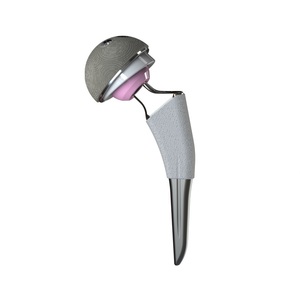
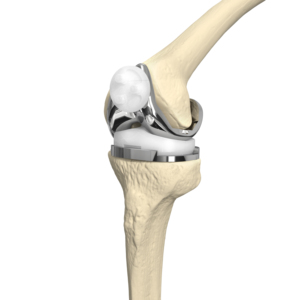
Established in 1992, Sharma Orthopedic India Limited (operated globally via SF Bay Medical) has established itself as one of the top orthopedic manufacturers in South Asia. Operating from a massive 62,391 sq. ft. precision engineering plant in Vadodara, Gujarat, the company manufactures complete ranges of trauma, spinal, arthroplasty, and cannulated surgical power tool solutions.
High-speed DMG MORI Swiss-type automatics for micron-level tolerance on cannulated shafts and intricate power drive gears.
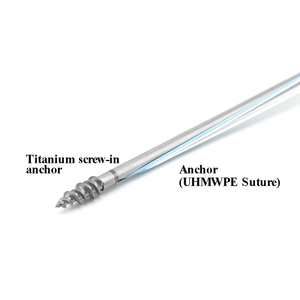
Controlled particulate environment ensuring sterile barrier packaging for orthopedic total joint replacements and suture anchors.
Dedicated team of regulatory affairs experts assisting international partners with local Ministry of Health filings and tenders.
A cannulated drill features a hollow central longitudinal lumen that enables surgeons to insert Kirschner wires (K-wires) or guide pins first to establish exact anatomical trajectory. The cannulated drill bit slides directly over the guide wire, guaranteeing exact axial placement and preventing slippage or misdirected bone tunnels during cannulated screw placement, femoral neck fracture fixations, or ACL ligament reconstruction.
Cannulation selection depends on the primary surgical sub-specialty. Small fragment procedures (wrist, ankle, podiatry) typically require a 2.0 mm to 2.5 mm cannulation lumen to clear standard 1.2 mm to 2.0 mm K-wires. Large fragment procedures (femur, tibia, total hip arthroplasty prep) require a 4.0 mm to 4.5 mm cannulated bore to accommodate heavy 3.2 mm guide rods and flexible intramedullary reamer shafts.
Yes. Modern high-grade cannulated drill handpieces are fully sealed and rated for steam autoclave sterilization at 134°C (273°F) under 2.1 bar pressure for 18 minutes (in accordance with ISO 17665). Lithium-ion battery packs are removed prior to autoclaving and sterilized via aseptic transfer cases or gas plasma (Sterrad) depending on the hospital's infection control protocols.
Procurement officers should verify ISO 13485 Quality Management System certification for medical devices, CE marking compliance (EU MDR 2017/745), and raw material Mill Test Certificates (MTC) proving compliance with ASTM F136 (Ti-6Al-4V ELI titanium) or ASTM F138 / ISO 5832-1 (316LVM surgical steel). Full traceability from raw titanium ingot to finished serialized product is essential.
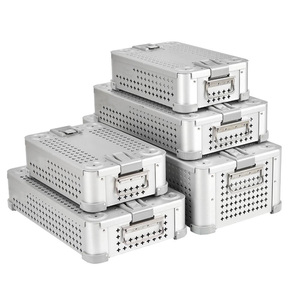
Yes. Sharma Orthopedic India Limited provides comprehensive OEM and ODM solutions. Our in-house engineering team works with hospital groups, brand owners, and international distributors to design custom cannulation sizes, specialized quick-coupling mechanisms, custom laser etching, and custom sterilization trays engineered for specific surgical techniques.
Standard catalog items (including standard hip prostheses, knee systems, and trauma plates) are maintained in inventory for rapid dispatch within 7 to 10 working days. Custom OEM orders, specialized cannulated drill batches, or high-volume hospital tenders typically carry a production lead time of 30 to 45 days, backed by express air cargo or ocean shipping to over 50 countries.
Partner with India’s trusted manufacturer of precision surgical power tools, total joint replacements, and trauma osteosynthesis implants. Our international sales engineers are available 24/7 to assist with product specifications and global logistics.