Featured Product Portfolio
Precision Orthopedic Implants & External Systems
Explore our top-tier catalog of certified orthopedic trauma implants, external fixation assemblies, total joint replacement prostheses, and surgical instrumentation built for global healthcare institutions.
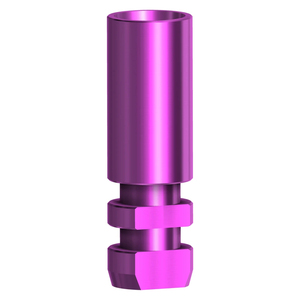
Reliable Digital Analog Replacement for Multiple Implant Systems
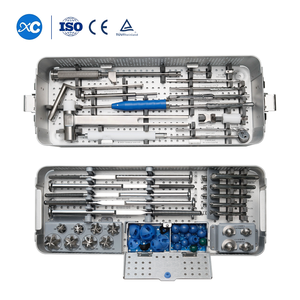
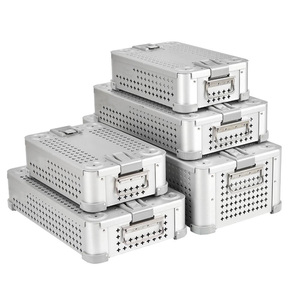
Stainless Steel A-Type Total Hip Prosthesis Joint Replacement Instrument Set
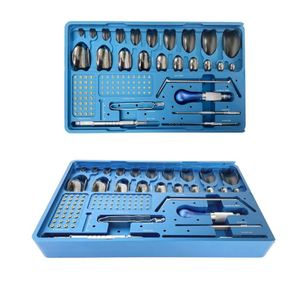
Small Animal Total Hip Replacement Veterinary Orthopedic Prothesis Set
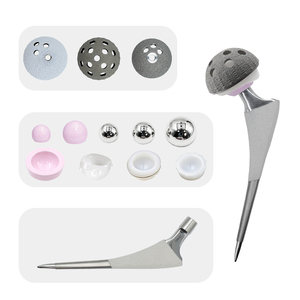
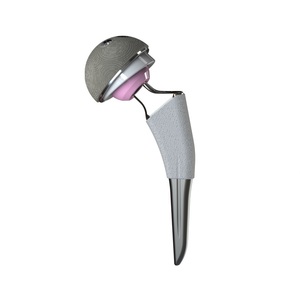
Cementless Artificial Acetabulum Total Hip Joint Prosthesis System
Orthopedic Titanium Hip Joint Prosthesis Implant Surgical Instrument
Stainless Steel Hip Joint Prosthesis Replacement Essential Collection
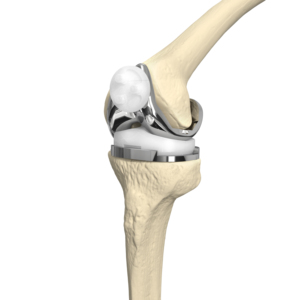
CE Certified Arthroplasty Artificial Knee Joint CoCrMo Alloy Replacement Kit
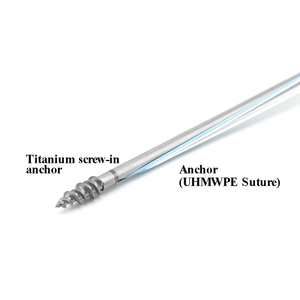
Orthopedic Shoulder Repair Reconstruction Knotless Titanium Suture Anchor
30+
Years Manufacturing Excellence
50+
Global Export Destinations
10,000+
Certified Product SKUs
62,391
Sq. Ft. Advanced Cleanroom Facility
1. Monolateral External Fixation: Biomechanical Principles & Clinical Efficacy
Monolateral external fixation represents a cornerstone methodology in modern trauma care, orthopedic reconstruction, pediatric deformity correction, and complex bone transport protocols. Unlike circular ring fixators (such as Ilizarov frames) that surround the extremity, monolateral external fixators utilize a rigid single-bar or telescopic rail design positioned unilaterally along the anatomical bone axis. This architectural configuration provides substantial cantilever bending stiffness while maintaining surgical efficiency, reduced operating room footprint, and superior patient comfort.
Key Engineering Insight: Optimal stability in monolateral external fixation relies on controlling the bone-to-rail distance, maximizing pin-group spacing, and using dual-tapered bone screws engineered from medical-grade Titanium (Ti-6Al-4V ELI) or Implant-Grade Stainless Steel (316LVM).
Mechanical Architecture & Load Distribution Mechanics
The structural stability of a monolateral external fixation assembly depends directly on several mechanical variables. As a premier global manufacturer, our engineering team optimizes every component—from transfixation Schanz screws and pin clamps to body articulation joints—to optimize stress shielding and prevent premature mechanical loosening:
- Cantilever Bending Stiffness: Monolateral frames undergo combined bending, axial compression, and torsional shear. By implementing high-tensile alloy body rails and precision-machined clamp collars, frame deflection under full weight-bearing loads is reduced to clinically safe micro-motion levels (0.5mm to 1.0mm), promoting rapid primary bone callusing.
- Dynamic Axialization & Controlled Compression: Modern orthopedic trauma management requires dynamic micromotion during the late remodeling phase. Our advanced monolateral fixator bodies feature integrated dynamic axial compression-distraction units. Surgeons can unlock the central body mechanism to convert rigid fixation into controlled axial micromotion, stimulating periosteal bone formation without introducing destructive shear stresses.
- Biocompatible Pin-Bone Interfaces: Pin tract infection and thermal necrosis remain primary clinical concerns during pin placement. Our Schanz screws feature self-drilling, self-tapping cortical thread geometry engineered to prevent thermal heat generation. Optional Hydroxyapatite (HA) plasma coatings boost bone-pin purchase and significantly lower pin loosening rates in osteopenic patients.
Anatomical Indications & Clinical Applicability
Monolateral external fixation systems are deployed across diverse clinical scenarios requiring robust external stabilization:
- Severe Open Fractures (Gustilo Grade II, IIIa, IIIb, IIIc): Provides immediate damage control orthopedics (DCO), securing unstable long bone fractures while leaving soft tissues fully accessible for serial wound debridement, skin grafting, and flap coverage.
- Post-Traumatic Limb Lengthening & Deformity Correction: Enables precise distraction osteogenesis (Ilizarov principles implemented via a monolateral mechanism) at controlled rates (typically 1.0 mm/day split into four daily quarter-turn increments).
- Non-Unions, Mal-Unions, and Infected Pseudarthrosis: Facilitates bone transport protocols following massive segmental bone resection secondary to acute osteomyelitis or high-energy ballistic trauma.
- Pediatric Trauma & Bone Reconstruction: Scaled-down pediatric monolateral fixators provide lightweight, unobtrusive frame assemblies customized for smaller pediatric bone geometries.
2. Enterprise Authority: Sharma Orthopedic India Limited
With an established heritage dating back to 1992, Sharma Orthopedic India Limited stands as one of the world's most trusted manufacturers and exporters of medical-grade orthopedic implants and surgical instrumentation. Operating out of a state-of-the-art 62,391 square foot ultra-modern manufacturing infrastructure located in Waghodia (Vadodara, Gujarat, India), our enterprise combines decades of hands-on metallurgical expertise with cutting-edge robotic automation to supply over 50 countries across Asia, Europe, Africa, Latin America, and the Americas.
ISO 13485 & CE Compliance
Operating under rigorous ISO 13485:2016 Quality Management Systems, every monolateral frame, bone plate, and arthroplasty prosthesis complies with strict European CE directives and international regulatory standards.
5-Axis CNC & Swiss Precision
Our facility features high-precision 5-axis CNC machining centers, Swiss-type automatic lathes, laser marking systems, and robotic plasma spray coating setups, achieving sub-micron tolerances across all implant lines.
Global OEM & B2B Export Hub
Trusted by healthcare ministries, hospital chains, and global medical distributors worldwide. We offer comprehensive OEM/ODM contract manufacturing, custom surgical instrument sets, and complete dossier technical support.
3. Future Procurement Trends for Monolateral External Fixators
The global market for trauma fixation and limb reconstruction devices is undergoing a structural paradigm shift driven by technological advances, value-based healthcare models, and evolving clinical demands. Hospital procurement officers, surgical center buyers, and medical device distributors must align their supply chains with the following emerging macro procurement trends over the 2025–2030 horizon:
A. Shift Toward Radiolucent Composite & Carbon-Fiber Fixator Bodies
Traditional stainless steel external fixators impose radiopaque artifacts during intraoperative fluoroscopy and postoperative X-ray evaluations. Procurement departments are rapidly shifting orders toward lightweight carbon-fiber and radio-translucent structural polymers. Carbon-fiber body rails provide complete radiolucency, allowing surgeons an unobstructed 360-degree view of the fracture callus during serial radiological follow-ups, while reducing overall frame weight by up to 40% for improved patient mobility.
B. Demand for Modular, Single-Use Sterilized Kits
Healthcare systems are prioritizing infection control efficiency and reducing operating room setup times. Monolateral fixator procurement is shifting from bulky bulk-packaged component trays to pre-sterilized, single-patient modular kits. Pre-sterilized trauma kits eliminate hospital autoclave cycles, minimize cross-contamination hazards, ensure 100% component traceability, and streamline emergency damage-control surgeries in acute trauma centers.
C. Integration of Digital Surgical Planning & Patient-Specific Fixation
Advanced limb reconstruction centers are adopting preoperative 3D digital planning software paired with patient-specific template guides. Fixator manufacturers are expected to supply modular pin clamps that interface seamlessly with patient-specific CAD/CAM guides, allowing precise pin placement in complex deformity cases without tedious manual alignment trials during surgery.
D. Diversification of Supply Chains & Direct Factory Partnerships
Global logistics disruptions and escalating healthcare costs have forced hospital networks to bypass multi-tiered intermediary brokers in favor of established, ISO 13485 certified direct manufacturers in cost-competitive regions like India. Partnering directly with high-capacity primary manufacturers guarantees consistent product availability, regulatory compliance documentation, customizable branding, and 30% to 50% capital cost savings without compromising clinical performance.
4. Industry & Technological Development Trends
Innovation in external fixator design is accelerating. Key technological breakthroughs reshaping the next generation of monolateral external fixation devices include:
- Smart Strain-Sensing Fixator Bodies: Integration of micro-electromechanical systems (MEMS) sensors within the central telescopic body of monolateral fixators. These sensors wirelessly stream real-time bone-stiffness data and weight-bearing pressure metrics to the surgeon's mobile device, offering objective quantitative feedback on fracture healing progress.
- Bioactive Surface Functionalization: Application of antimicrobial coatings, silver nanoparticles, and dual-layer Hydroxyapatite/Titanium plasma sprays onto Schanz pin shafts. This advanced surface functionalization drastically mitigates bacterial colonization (Staphylococcus aureus) along pin tracts, directly reducing the incidence of pin-tract infection and osteomyelitis.
- Micro-Adjustable Precision Deformity Clamps: Replacement of basic ball-joint clamps with worm-gear micro-adjusters. Surgeons can execute multi-planar angulation, rotation, translation, and length adjustments with sub-millimeter precision directly on the external rail frame without needing to dismantle structural pin clamps.
- Universal Modular Interoperability: Modern fixators feature standardized quick-connect coupling joints compatible with universal traumatology pin sizes (3.5mm, 4.5mm, 5.0mm, and 6.0mm Schanz screws), ensuring seamless integration across diverse surgical operative environments.
5. Frequently Asked Questions (FAQ) for Global Procurement
Addressing the critical technical, regulatory, and supply chain queries raised by healthcare procurement managers, hospital buyers, and international orthopedic distributors.
Q:
What raw materials are utilized in Sharma Orthopedic's monolateral external fixator assemblies?
Our monolateral fixator bodies, clamps, and Schanz screws are manufactured exclusively from biocompatible high-strength Titanium Alloy (Ti-6Al-4V ELI conforming to ASTM F136), Implant-Grade Stainless Steel (316LVM conforming to ASTM F138 / ISO 5832-1), and ultra-lightweight structural Carbon-Fiber rods. All materials undergo full chemical and mechanical mill certificate validation prior to production.
Q:
Are your monolateral external fixator systems certified for international hospital tenders?
Yes. Sharma Orthopedic Limited operates an ISO 13485:2016 certified facility. Our medical devices hold CE marking under European Directives and satisfy international quality standards required for national public tenders, private hospital group procurement, and ministry of health supplier rosters across 50+ countries.
Q:
What is the dynamic distraction-compression range of your standard monolateral body rail?
Our standard adult monolateral lengthening fixator provides up to 100mm (10cm) of continuous linear distraction travel via a precision threaded drive spindle. Pediatric variants offer 50mm to 70mm distraction capability. Clamps accommodate angulation up to 30 degrees in sagittal and coronal planes for multi-axial deformity alignment.
Q:
Can Sharma Orthopedic accommodate OEM / ODM branding and custom instrument set requirements?
Absoltely. We provide complete turnkey OEM/ODM contract manufacturing services. This includes custom laser marking, custom anodization color-coding for size differentiation, specialized sterilization tray design, personalized packaging graphic design, and custom surgical instrument manufacturing tailored to your distributor brand specifications.
Q:
What is the typical lead time for international bulk container shipments?
Standard product SKUs listed in our catalog are maintained in warehouse inventory for rapid dispatch (typically within 7 to 14 working days). Custom OEM production runs or specialized tender orders typically range from 30 to 45 days, depending on batch quantities and specific surface treatment requirements.
Q:
How do your pin clamps prevent post-operative pin slipping under high patient loads?
Our clamps utilize serrated internal mechanical gripping grooves combined with high-torque locking bolts. This anti-slip clamping geometry ensures high resistance against axial displacement and rotational slippage under heavy weight-bearing scenarios, preserving accurate anatomical alignment throughout the distraction phase.
Partner with a Leading Monolateral External Fixator Manufacturer
Upgrade your surgical implant portfolio with ISO 13485 & CE-certified external fixation systems directly from India's premier manufacturing center. Request comprehensive product technical dossiers, hospital tender catalogs, and competitive B2B pricing today.
Inquire Now