
Explore our precision-engineered implant portfolios designed for high fatigue resistance, optimal anatomical fit, and superior patient recovery outcomes.
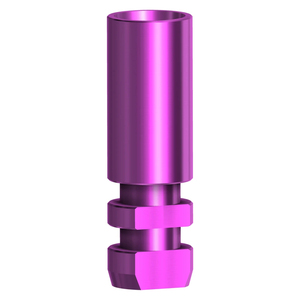
Ultra-precise stainless steel digital analogs for multi-system surgical navigation & custom prosthetic abutment alignment.
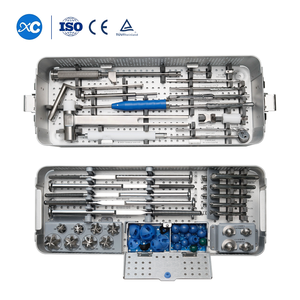
Medical-grade stainless steel instrument sets engineered for total hip arthroplasty and veterinary orthopedic procedures.
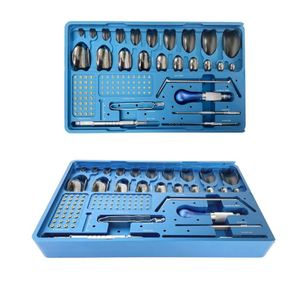
High-torsion pedicle screws and canine hip replacement implants milled for veterinary orthopedic reconstruction.
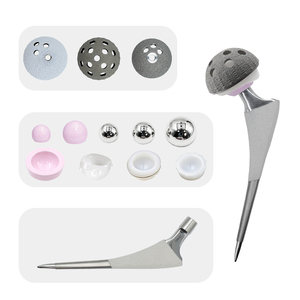
Porous plasma-sprayed titanium acetabular cups optimized for accelerated osseointegration and primary hip joint stability.
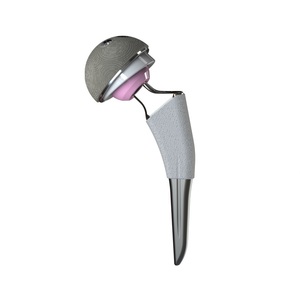
Biocompatible Ti-6Al-4V ELI femoral stems featuring anatomical taper designs for severe trochanteric fracture cases.
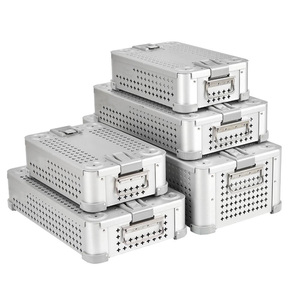
Comprehensive trauma kit including dynamic hip screws, trochanteric stabilization plates, and custom reamers.
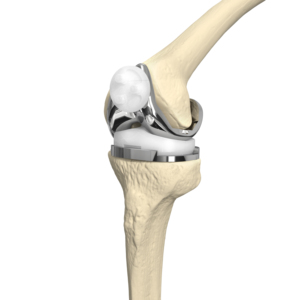
CE-marked Cobalt-Chromium-Molybdenum alloy total knee joint replacement kits built for ultra-low wear rate.
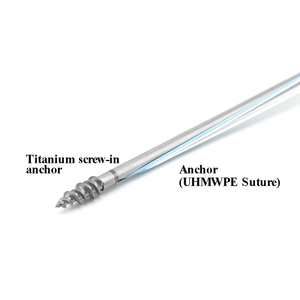
Advanced arthroscopy shoulder reconstruction systems with high pull-out strength knotless screw-in anchors.
Proximal femoral fractures—encompassing intertrochanteric, subtrochanteric, and complex trochanteric osteotomies—present some of the most challenging clinical scenarios in orthopedic trauma surgery. The proximal region of the femur experiences extreme bending moments, shear stresses, and compressive forces exceeding three to five times body weight during normal gait cycles. Consequently, conventional non-locking plates, dynamic hip screws (DHS), and intramedullary devices frequently face clinical hurdles such as cut-out, varus collapse, screw back-out, and non-union in osteoporotic bone.
As a leading proximal femoral locking plates factory and supplier, our engineering paradigm revolves around rigid angular stability and anatomical congruity. Proximal Femoral Locking Compression Plates (PFLP-LCP) act as fixed-angle extramedullary constructs that preserve periosteal blood supply while providing superior biomechanical purchase, even in compromised cancellous bone matrix.
Milled according to 3D CT femoral morphological datasets, eliminating the need for intraoperative plate bending, minimizing stress concentration points, and reducing surgical time.
Combi-holes accept both standard cortex screws for dynamic compression and threaded locking screws for multidirectional fixed-angle fixation into the femoral head and neck.
Calculated plate thickness tapers along the shaft, preventing rigid stress risers, reducing the risk of peri-implant refracture, and encouraging secondary callus formation.
Selection of implant grade alloys directly dictates fatigue lifecycle, modulus matching, and MRI compatibility. As a top-tier manufacturer, we process both high-grade Titanium Alloy (Ti-6Al-4V ELI conforming to ASTM F136 / ISO 5832-3) and Implant-Grade Stainless Steel (316LVM conforming to ASTM F138 / ISO 5832-1).
| Specification Parameter | Titanium Alloy (Ti-6Al-4V ELI) | Stainless Steel (316LVM) | Biomechanical Advantage |
|---|---|---|---|
| Ultimate Tensile Strength | ≥ 860 MPa | ≥ 890 MPa | Prevents permanent plastic deformation under extreme physiological load loads. |
| Yield Strength (0.2% Offset) | ≥ 795 MPa | ≥ 690 MPa | Ensures high elastic resilience during heavy weight-bearing phases. |
| Modulus of Elasticity | 110 GPa (Closer to Bone) | 200 GPa | Lower modulus minimizes stress shielding, accelerating cortical healing. |
| Fatigue Resistance (Cycles) | > 10,000,000 Cycles @ 400MPa | > 5,000,000 Cycles @ 400MPa | Prevents premature plate breakage during prolonged delayed-union cases. |
| Surface Finish & Treatment | Type II Anodization (Color Coded) | Electropolished & Passivated | Reduces soft tissue adhesion and minimizes ion release in vivo. |
| Proximal Screw Trajectory | 95°, 120°, 135° Convergent Angles | 95°, 120°, 135° Convergent Angles | Triangulated screw fixation into Calcar Femorale for max pullout resistance. |
The global orthopedic implants market is undergoing a seismic structural pivot driven by demographic aging, healthcare expenditure optimization, and regulatory modernization. B2B hospital buyers, OEM brand owners, and medical device importers must navigate critical trends when sourcing Proximal Femoral Locking Plates:
Modern orthopedic surgeons favor targeted submuscular plate insertion. Procurement managers are increasingly seeking PFLP systems bundled with Radiolucent Carbon-Fiber Insertion Handles and Tissue Protection Sleeves to enable percutaneous surgical approaches.
With escalating tariffs and supply chain disruption in traditional manufacturing regions, global medical device distributors are partnering with tier-1 Indian manufacturers who offer ISO 13485 certified quality, CE compliance, and cost-effective direct factory pricing.
Stocking multiple proprietary instrument trays inflates hospital inventory costs. Modern PFLP procurement focuses on unified screw pitch designs (e.g., 4.5mm locking / 5.0mm cannulated calcar screws) that utilize standardized hex or Torx drivers across trauma lines.
Established in 1992, Sharma Orthopedic India Limited has spent over 30 years perfecting precision medical engineering. Spanning a 62,391 sq. ft. modern facility in Vadodara, Gujarat, we operate as a full-service OEM/ODM manufacturer for top global medical brands.
Our integrated production line encompasses raw material spectro-analysis, CNC machining, automated passivation, laser marking, CMM coordinate measurement, and final sterile packaging—all under one roof.
Here are comprehensive answers to common engineering, procurement, and regulatory questions regarding Proximal Femoral Locking Plates.
While intramedullary nails are favored for stable intertrochanteric fractures, Proximal Femoral Locking Plates (PFLP) provide superior angular stability in cases with severe lateral trochanteric wall comminution, subtrochanteric extension, or revision osteotomies where an intramedullary canal cannot be reamed. PFLP constructs allow multiple convergent locking screws into the femoral head, creating a rigid spatial truss that prevents varus collapse.
We manufacture implants in two certified biocompatible materials: Titanium Alloy (Ti-6Al-4V ELI, ISO 5832-3 / ASTM F136) and Implant-Grade Stainless Steel (316LVM, ISO 5832-1 / ASTM F138). Titanium is recommended for MRI compatibility, lower elastic modulus, and superior soft-tissue response, while 316LVM offers cost-efficiency and high shear rigidity.
Our advanced PFLP system features combi-holes that support both monoaxial fixed-angle locking (at pre-contoured trajectories targeting the calcar) and polyaxial variable-angle locking (allowing ±15° screw insertion cone angle). This gives surgeons flexibility to navigate around existing hardware or osteoporotic voids while maintaining angular stability.
Our manufacturing facility is ISO 13485:2016 certified. Our implant portfolios carry CE certification and comply with global safety standards. Complete Technical Files (STED format), biocompatibility testing (ISO 10993), and mechanical fatigue test data (ASTM F382) are available for international distributor registration.
For standard catalog items, we offer flexible low MOQs starting at 20-50 units per SKU. For custom OEM/ODM projects (including laser etching distributor logos and customized tray configurations), standard manufacturing lead time is 3 to 5 weeks from sample approval.
We utilize precision Swiss-milled thread geometry and Type II Anodic surface oxidation on titanium plates. This controlled oxide layer significantly reduces the friction coefficient during screw insertion, preventing galling or cold welding between the plate thread and locking screw head.
Yes, we manufacture matching dedicated instrument sets made from high-grade German stainless steel and aluminum alloy. MIS kits include tissue protection sleeves, radiolucent carbon fiber aiming arms, drill guides, and quick-coupling depth gauges.
Distributors and procurement managers can click the "Get Catalog" button anywhere on this page to initiate instant live chat or request our complete 2025 PDF catalog along with factory-direct wholesale quotation sheets.
Partner with India’s leading ISO 13485 certified orthopedic implants factory. Gain competitive pricing, flawless precision engineering, and complete global regulatory support.
Get Catalog