
Precision-engineered arthroscopy implants certified for European healthcare institutions. Designed for optimal pull-out strength, bio-absorption control, and seamless osteo-integration in ACL/PCL reconstruction.
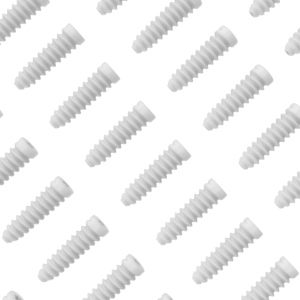
High-purity PLGA construct providing controlled in-vivo degradation over 18-24 months for arthroscopic ACL/PCL repairs.
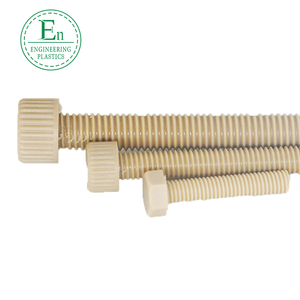
Radiolucent non-absorbable implant with bone-like elastic modulus to prevent stress shielding in revision cases.
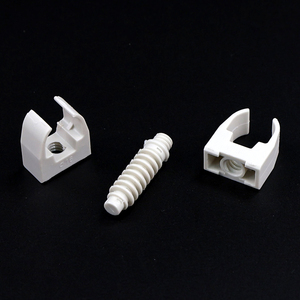
Infused with 30% β-Tricalcium Phosphate to promote osteoconductive bone inward growth and early graft stabilization.
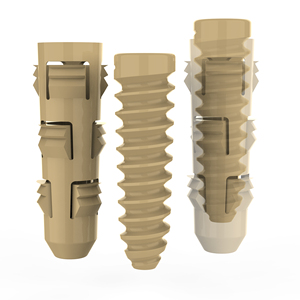
Features an enhanced star-driver connection to ensure zero driver stripping during hard bone tunnel insertion.
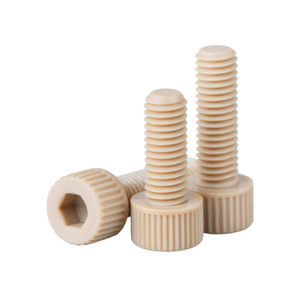
Customizable thread pitch and length options tailor-made for specific surgical preferences and tendon grafts.
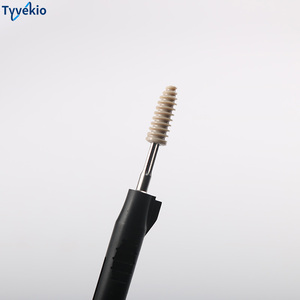
Integrated sports medicine repair system combining ultra-high molecular weight sutures with PEEK screws.
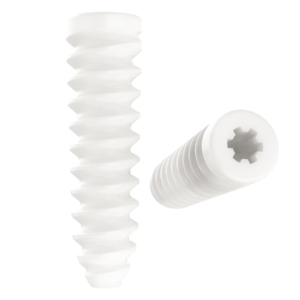
Fully cannulated design allowing smooth guide-wire placement and uniform compression across bone tunnels.
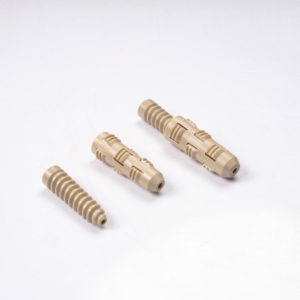
Comprehensive diameter sizes (6mm to 11mm) engineered specifically for tibial and femoral graft fixation.
The Netherlands represents one of Europe's most sophisticated orthopaedic procurement ecosystems. Driven by tight regulatory frameworks under the European Medical Device Regulation (EU MDR 2017/745) and guided by clinical evidence from the Nederlandse Vereniging voor Orthopedie (NOV), Dutch university medical centres (UMCs) and private clinics demand uncompromising structural integrity, biocompatibility, and long-term radiological clarity from their surgical suppliers.
As a premier international manufacturer and direct-to-distributor exporter, our facility bridges high-capacity precision engineering with micro-level material science. Our bioabsorbable interference screw systems are crafted from optimized poly(L-lactide-co-glycolide) (PLGA 85/15) matrix blends and biocomposite formulations containing osteoconductive β-Tricalcium Phosphate (β-TCP). These implants resolve the primary historical drawbacks of metallic interference screws—such as permanent hardware presence, stress shielding, artifact interference during post-operative Magnetic Resonance Imaging (MRI), and mandatory secondary hardware removal procedures under Dutch Diagnose Behandel Combinatie (DBC) treatment pathways.
Achieving clinical success in Anterior Cruciate Ligament (ACL) and Posterior Cruciate Ligament (PCL) reconstructions requires balancing mechanical graft security against degradation timing. If an absorbable implant degrades too rapidly, fixation strength collapses prior to biological tendon-to-bone healing within the femoral and tibial tunnels. Conversely, delayed degradation can lead to sterile foreign-body encapsulation or delayed tunnel widening.
Our proprietary copolymerization process controls the hydrolytic breakdown of ester bonds within the PLGA polymer chain. By maintaining a strict 85% L-lactide to 15% glycolide molecular balance, our screws deliver mechanical stability throughout the critical 8 to 12-week initial graft integration phase. Complete metabolic resorption occurs over 18 to 24 months via the Krebs cycle, yielding non-toxic water ($H_2O$) and carbon dioxide ($CO_2$) byproducts:
| Material Formulation | Elastic Modulus (GPa) | Resorption Timeline | Osteo-Integration Potential | Primary Dutch Clinical Scenario |
|---|---|---|---|---|
| Pure PLGA (85/15) | 3.2 – 3.8 | 18 – 24 Months | Moderate (Hydrolytic Bio-absorption) | Standard Primary ACL/PCL Hamstring & BTB Grafts |
| Biocomposite (PLGA + 30% β-TCP) | 4.5 – 5.2 | 12 – 18 Months | High (Active Bone Ingrowth Matrix) | High-Performance Athletes / Revision Arthroscopy |
| PEEK-OPTIMA® Polymer | 3.6 – 4.0 | Non-Absorbable | Bio-Inert (Osseointegrated Surface) | Complex Multi-Ligament Reconstruction / Revision Tunnels |
| Titanium Alloy (Ti-6Al-4V) | 110.0 | Non-Absorbable | Bio-Inert (Fibrous Encapsulation) | Legacy Traumatology / Budget Tenders |
The Netherlands maintains an exceptionally high rate of participation in competitive sports, including football (KNVB registered leagues), field hockey, cycling, and speed skating. This active demographic drives a high volume of sports-related knee injuries requiring reconstructive knee surgery across academic research centers (such as Amsterdam UMC, Erasmus MC Rotterdam, and UMC Utrecht) as well as dedicated orthopedic clinical groups (like Bergman Clinics).
High-tensile biocomposite PLGA screws infused with β-TCP provide fast biological bone tunnel closure, empowering rapid rehabilitation protocols for athletes aiming to return to play without risks of long-term screw loosening or palpable hardware discomfort.
Full adherence to European Union Medical Device Regulation (EU MDR Class III approval pathways). Every single batch shipped to Rotterdam or Amsterdam includes total UDI traceability, ISO 13485 test protocols, and comprehensive risk management documentation.
Optimized self-tapping thread geometries reduce surgical insertion torque and shorten operating room (OR) procedure times, directly decreasing hospital overhead in fast-paced day-surgery settings across the Netherlands.
Screw failure during insertion is a severe surgical complication. To address driver-engagement stripping—particularly when tapping dense bone in young Dutch patients—our engineering team developed the Deep-Star Drive Interface.
Unlike conventional hex sockets, which concentrate rotational strain at thin corner points, the star-drive distributes torque evenly across six broad contact planes. This design allows for insertion forces exceeding 4.2 N·m without micro-fracturing the absorbable polymer head. Furthermore, the rounded, blunt thread crests prevent graft laceration during interference screwing while maximizing compression of soft-tissue or bone-tendon-bone (BTB) autografts against the tunnel wall.
The Netherlands acts as the primary logistical gateway to the European medical device sector, with the Port of Rotterdam and Amsterdam Schiphol Airport managing major medical supply chains. Importers and medical device distributors operating within the Dutch territory face stringent regulatory oversight from the Inspectie Gezondheidszorg en Jeugd (IGJ).
Under the European Medical Device Regulation, bioabsorbable implants fall into Class III due to their active metabolic absorption within the human body. Our manufacturing facility maintains fully updated Technical Files (STED format), certified Clinical Evaluation Reports (CER), and continuous Post-Market Surveillance (PMS) frameworks. This ensures Dutch OEM partners and distributors encounter zero regulatory friction when registering products on the Dutch Farmatec portal or participating in national tender offers.
Dutch healthcare systems actively emphasize eco-friendly packaging and reduced carbon footprints (Green Deals in Healthcare). Our export packaging uses recyclable, medical-grade Tyvek® pouches paired with compact protective boxes, minimizing packaging waste while ensuring 100% sterile barrier integrity verified under EN ISO 11607 standards.
Surgeons in the Netherlands are increasingly moving away from 100% pure PLLA (Poly-L-lactic acid) screws due to documented degradation periods extending past 5 years. The market has shifted towards biocomposite formulas (PLGA combined with β-TCP or Hydroxyapatite), which achieve complete biological remodeling into natural trabecular bone within 24 months, verified by follow-up CT scans.
With over three decades of medical manufacturing heritage, our state-of-the-art production campus spans over 62,000 square feet of advanced cleanrooms, high-precision machining centers, and quality control laboratories.
Equipped with high-precision Swiss-type 5-axis CNC machines and automated milling centers capable of achieving tolerances within ±5 microns on complex polymer and PEEK threads.
Primary packaging and sub-assembly take place in certified ISO Class 7 cleanrooms, maintaining minimal bioburden levels prior to Ethylene Oxide (EtO) or Gamma irradiation sterilization.
Every screw is assigned a unique GS1-compliant Unique Device Identification (UDI) laser mark, linked directly to raw material melt certificates and sterilization validation logs.
Everything Dutch hospital purchasing departments, orthopaedic distributors, and regulatory agents need to know about sourcing our bioabsorbable interference screws.
Yes. All our arthroscopy implants, including PLGA bioabsorbable and PEEK interference screws, fully comply with EU MDR 2017/745 requirements. We hold valid CE certification issued by recognized European Notified Bodies, backed by ISO 13485:2016 quality management system audits. Full STED documentation is available upon request for verification by Dutch regulatory bodies.
For standard catalogue inventory (such as standard diameter PLGA and PEEK screws), dispatch occurs within 5 business days. Express air freight shipments arrive at Schiphol Airport (AMS) within 3 to 5 working days. For bulk container shipments destined for the Port of Rotterdam, ocean transit typically takes 22 to 28 days, supported by complete customs clearance paperwork.
Both PLGA bioabsorbable polymers and PEEK (Polyether ether ketone) are non-metallic and completely radiolucent. They produce zero magnetic resonance imaging (MRI) artifacts or scatter, allowing Dutch orthopedic surgeons to perform clear post-operative assessments of soft tissue graft healing and tunnel integration without imaging interference.
Absolutely. We offer complete OEM/ODM contract manufacturing services. Our 5-axis CNC machining centers can adjust screw pitch, length, diameter, and driver geometry according to your exact technical drawings. Private labeling includes custom brand printing on Tyvek® sterile pouches, inner boxes, and user manuals compliant with Dutch/English language requirements.
Our bioabsorbable PLGA screws are sterilized using validated Ethylene Oxide (EtO) cycles or low-temperature gas plasma processes to prevent thermal degradation of the bio-polymer chains. PEEK implants are available pre-sterilized or non-sterile (steam autoclave validated at 134°C). Each sterile batch includes a Sterility Assurance Level (SAL) of $10^{-6}$ with full sterility test reports.
We supply dedicated ergonomic surgical instrument trays engineered specifically for our interference screw systems. These sets include stainless steel nitinol-compatible guide wires, cannulated taps, bone tunnel reamers, and driver shafts featuring our anti-stripping Deep-Star driver interface.
Every production lot undergoes rigorous mechanical testing in our ISO 17025 accredited laboratory. Pull-out strength, insertion torque, and torsional shear yield are verified using synthetic bone block models calibrated to human polyurethane foam density standards (ASTM F543 & ASTM F1684 testing standards).
We offer flexible MOQ structures to support both established regional medical suppliers and niche sports medicine distributors. Standard product lines have an MOQ as low as 20 units per size, while custom OEM projects are evaluated based on batch material procurement efficiency.
Elevate your orthopaedic product portfolio in the Netherlands with CE & EU MDR certified interference screws. Contact our international export department today for complete technical dossiers, product samples, and direct factory pricing.
Get Catalog