Engineered for high-torque control, fluid rheology stability, and seamless integration across minimally invasive spine and joint reconstruction procedures.
Bone cement injectors represent a critical cornerstone in modern minimally invasive spine operations, percutaneous vertebroplasty (PVP), balloon kyphoplasty (BKP), and total joint arthroplasty (TJA). As orthopedic procedures evolve toward micro-incisional delivery and rapid patient mobilization, the biomechanical demand on polymethyl methacrylate (PMMA) delivery systems has intensified. For orthopedic procurement directors, medical device distributors, and hospital supply managers operating within the Osaka Metropolitan Market and the broader Kansai healthcare complex, securing precision-engineered, ergonomically validated bone cement delivery devices is essential to clinical success and patient safety.
The Osaka medical cluster—anchored by world-class institutions such as Osaka University Hospital, Osaka Metropolitan University Hospital, and the Northern Osaka Health and Medical City (NCP)—operates under strict clinical governance regulated by Japan's Pharmaceuticals and Medical Devices Agency (PMDA). Bone cement injectors destined for Osaka medical facilities must demonstrate flawless tactile feedback, zero-leakage hydraulic or screw-threaded pressure regulation, radiopaque extension tube compatibility, and absolute chemical inertness under exothermic PMMA polymerization cycles.
PMMA cement transitions rapidly from liquid phase to dough phase, generating exothermic reaction temperatures up to 80°C. Our injectors feature medical-grade polycarbonate barrels with calibrated volumetric graduation lines, allowing surgeons to monitor dough phase extrusion without risking premature polymer setting inside the delivery channel.
To eliminate epidural leakage during vertebroplasty, the system includes an instant mechanical pressure-release clutch. Upon reaching target vertebral fill or encountering elevated cortical resistance, the clutch disengages the drive screw immediately, arresting cement flow within 0.1 seconds.
Equipped with flexible 30cm to 50cm braided radiopaque extension tubing rated for high hydraulic pressures. Operating orthopedic surgeons in Osaka operating theaters can perform real-time continuous C-arm fluoroscopy while positioning their hands outside the direct primary radiation beam.
Japan currently maintains one of the world's most mature demographic profiles, with Osaka Prefecture serving as a dense regional hub for advanced geriatric care and orthopedic surgery. The Kinki region suffers high incidence rates of osteoporotic vertebral compression fractures (VCF), femoral neck fractures, and severe osteoarthritis. Consequently, Osaka surgical centers perform tens of thousands of kyphoplasty and total joint replacement operations annually.
Local Osaka buyers—including medical equipment wholesalers in the Doshomachi pharmaceutical district—demand stringent adherence to quality metrics. Devices must meet both international ISO 13485 standards and local PMDA Class II/III medical device approval criteria. Key technical preferences observed in the Osaka market include:
Osaka spine surgeons favor ergonomic pistol-grip screw injectors over manual lever systems. Screw-thread systems offer tactile resistance mapping, allowing surgeons to detect minute cortical bone breaches by sensing changes in rotational torque during injection.
The chemical interaction between liquid methyl methacrylate monomer and injector polymers can cause stress cracking in substandard plastics. Injector components serving Osaka hospitals are cast from high-density, solvent-resistant polycarbonate and surgical-grade 316L stainless steel.
Below is a comparative breakdown of bone cement delivery architectures evaluated for orthopedic surgical applications in the Osaka region:
| Performance Parameter | High-Pressure Screw Injector | Hydraulic-Assisted Gun | Standard Syringe Push System |
|---|---|---|---|
| Maximum Delivery Pressure | Up to 35 bar (500 psi) | Up to 25 bar (360 psi) | < 6 bar (85 psi) |
| Viscosity Capability | High & Ultra-High Viscosity PMMA | Medium to High Viscosity | Low Viscosity Only |
| Flow Control Precision | Micro-threaded (0.15cc per turn) | Continuous Lever Pulses | Coarse Manual Pressure |
| Pressure Cut-Off Latency | Immediate (< 0.1 sec via release clutch) | Moderate (0.5 sec bleed off) | Slow (Manual retraction delay) |
| Fluoroscopy Shielding | 30cm Radiopaque Flexible Line | Integrated Line Attachment | Direct Direct-Hand Placement |
| PMDA / ISO 13485 Compliance | Full Certification Ready | Full Certification Ready | Limited to Basic Procedures |
As a global pioneer in orthopedic manufacturing established in 1992, Sharma Orthopedic India Limited brings over 30 years of specialized metallurgical and biomedical engineering experience to international healthcare distributors. Our flagship manufacturing complex located in Vadodara, Gujarat spans 62,391 square feet of state-of-the-art production infrastructure, including multi-axis 5-axis CNC machines, robotic plasma coating units, and ISO Class 7 cleanroom packaging facilities.
Fully compliant quality systems governing every stage from raw material melt-analysis to final gamma sterilization validation.
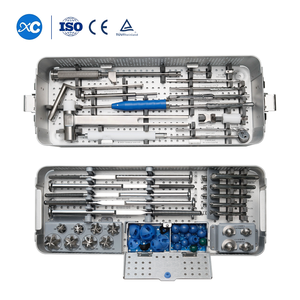
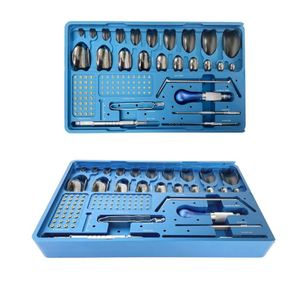
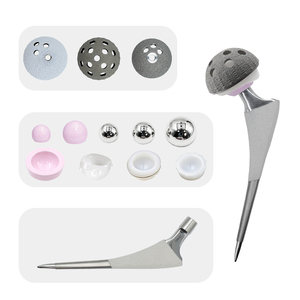
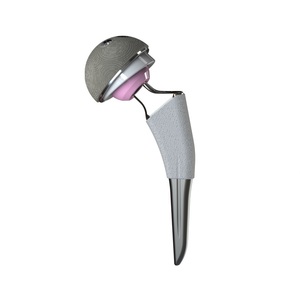
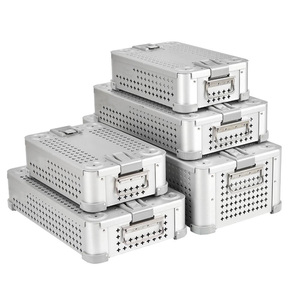
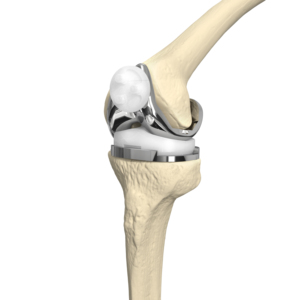
Comprehensive implants and instrument lines spanning total hip, total knee, spinal pedicle, trauma plates, and cement devices.
Double-sterile blister sealing guaranteeing 5-year shelf-life integrity under strict hospital storage conditions.
Custom laser marking, Japanese labeling compliance, and specialized volumetric barrel sizing tailored to Osaka distributor specs.
We supply comprehensive Technical Files (STED format), ISO 13485 quality management certificates, material biocompatibility test reports (ISO 10993 compliant), sterilization validation reports (EN 556), and mechanical fatigue test data required by Japanese Maho (Marketing Authorization Holders) to streamline PMDA clearance in Osaka.
Our injectors are engineered with reinforced polycarbonate barrels and heavy-duty stainless steel drive rods capable of maintaining smooth linear delivery forces even when handling ultra-high viscosity bone cements during balloon kyphoplasty. The micro-threaded mechanical gain ensures continuous control without physical strain on the surgeon.
Standard B2B orders for stock orthopedic instruments and cement injectors ship within 7 to 10 business days. Air freight shipments to Kansai International Airport (KIX) generally arrive within 3 to 5 transit days, while ocean freight shipments directly to the Port of Osaka take approximately 14 to 18 days from dispatch.
Yes. We provide complete OEM/ODM solutions for Osaka medical device brands. This includes laser-etched custom logos on injector handles, specialized volumetric markings on barrels, and localized Japanese language outer carton packaging conforming to Japanese medical labeling regulations.
Absolutely. All bone cement injector kits designed for spinal vertebroplasty feature 30cm high-pressure extension tubes with standard Luer-lock connectors. This allows surgical operators and nurses to remain well clear of direct primary X-ray beams during continuous fluoroscopic guidance.
We offer flexible tier-structured MOQs to accommodate both specialized clinical evaluation orders and large-scale regional hospital contract tenders across the Kansai area. Contact our export sales team via the inquiry portal for detailed price schedules and sample evaluation units.
Expand your hospital catalog in Osaka with certified, high-precision bone cement delivery systems and orthopedic surgical instruments. Request complete technical datasheets, regulatory compliance dossiers, and wholesale pricing today.