
Direct factory supply chain offering high-gain clinical solutions, validated metallurgical standards (ASTM F136 / ASTM F138), and complete OEM custom manufacturing services for global healthcare networks.
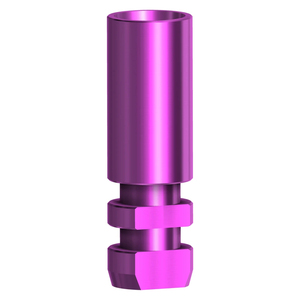
Precision-machined digital transfer analogs ensuring micron-level accuracy across multi-platform dental and orthopedic reconstruction frameworks.
Contact Us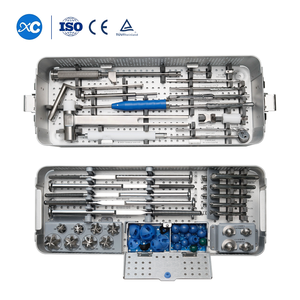
Veterinary and human orthopedic Grade 316LVM stainless steel joint replacement set featuring modular rasps and trial heads.
Contact Us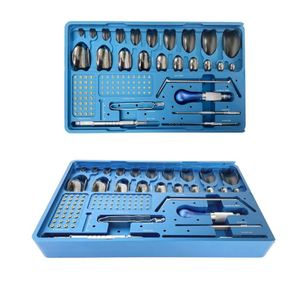
Comprehensive micro-arthroplasty system incorporating polyaxial screws and micro-acetabular cups engineered for animal trauma surgery.
Contact Us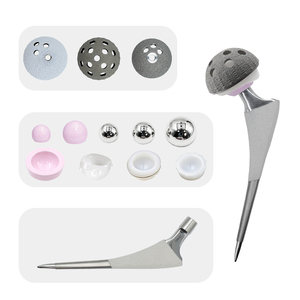
Porous plasma-sprayed titanium cups engineered for rapid biological osseointegration and long-term joint fixation stability.
Contact Us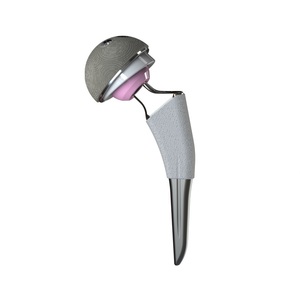
Biocompatible Ti-6Al-4V femoral stems designed with distal neck grooves and anatomical tapering for optimized stress distribution.
Contact Us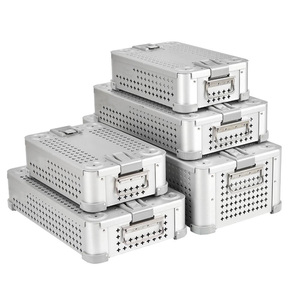
Ergonomic, autoclavable orthopedic surgical toolkits engineered for seamless intraoperative flexibility and anatomical alignment.
Contact Us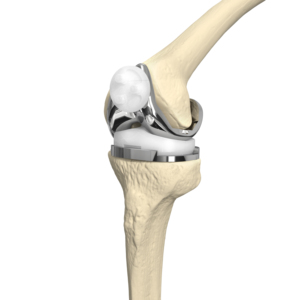
Ultra-low wear Cobalt-Chromium-Molybdenum femoral components paired with highly cross-linked polyethylene (XLPE) tibial inserts.
Contact Us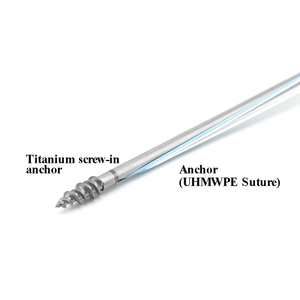
Self-tapping thread designs optimized for sports medicine arthroscopic repair, rotatory cuff restoration, and glenoid labrum reconstruction.
Contact UsAn in-depth analysis of intra-articular calcaneal fracture dynamics, anatomical contour restoration, Sanders Classification management, and metallurgical standards for U.S. orthopedic trauma procurement.
Disrupted intra-articular calcaneal fractures (AO/OTA 83-C classification) severely collapse the calcaneal height, reducing Bohler's angle below the normal range of 20° to 40° and altering the Critical Angle of Gissane. Our low-profile calcaneus locking plates feature precise, pre-contoured anatomical geometry designed to restore heel height, heel width, and axial alignment.
By utilizing multi-directional variable-angle locking holes around the posterior facet, the implant constructs a robust, rigid scaffold under the posterior articular surface. This prevents secondary collapse during early functional rehabilitation, mitigating the incidence of post-traumatic subtalar arthritis.
The sustentaculum tali acts as the dense constant bone fragment in calcaneal fracture patterns. Securing rigid screw engagement into this anatomical pillar is vital for construct stability. Our calcaneal locking plate system incorporates dedicated converging screw trajectories angled specifically toward the sustentaculum tali.
Engineered with high-strength Ti-6Al-4V ELI (ASTM F136) titanium alloy, the locking screws thread seamlessly into the plate's threaded bushings, eliminating pull-out risks and reducing micro-motion at the fracture site to less than 100 micrometers under physiologic heel-strike loads.
| Feature Specification | Standard Calcaneal Locking Plate | Mini-Invasive Sinus Tarsi Plate | Perichondrial Perimeter Lock |
|---|---|---|---|
| Plate Profile Thickness | 1.3 mm – 1.5 mm Ultra-Low Profile | 1.2 mm Low-Impringement Profile | 1.4 mm Anatomical Contour Profile |
| Material Standard | Ti-6Al-4V ELI / ISO 5832-3 | Ti-6Al-4V ELI / ASTM F136 | Medical Stainless Steel 316LVM |
| Locking Screw Diameters | 3.5 mm / 2.7 mm Locking & Cortex | 2.7 mm Locking Screws | 3.5 mm Threaded Locking Screws |
| Surgical Approaches Supported | Extended Lateral Approach (ELA) | Minimally Invasive Sinus Tarsi (MIST) | Percutaneous / Open Reduction |
| Surface Treatment | Type II Color Anodization / Anti-Galling | Electropolished Cleanroom Finish | Passivated Electrochemical Finish |
| Indications (Sanders Class) | Sanders Type II, III, and IV Fractures | Sanders Type II & III Tongue-Type | Complex Severely Comminuted (Type IV) |
One of the critical challenges in calcaneal fracture management across U.S. trauma centers is the high risk of soft tissue envelope breakdown and wound edge necrosis associated with traditional Extended Lateral Approaches (ELA). Modern orthopedic literature highlights that wound complication rates with ELA can reach 10% to 25% in high-risk patient demographics.
To solve this, our manufacturing team engineered a dual-portfolio solution: full-coverage extended calcaneus locking plates for severe Sanders Type IV comminution, alongside streamlined, web-designed Sinus Tarsi locking plates. The Sinus Tarsi plate allows U.S. foot and ankle specialists to achieve rigid internal fixation through a 3cm to 4cm incision, drastically lowering soft tissue disruption while maintaining biomechanical equivalency to larger implants.
Key Clinical Takeaway for U.S. Surgical Teams: The ultra-low profile design (1.3mm thickness) minimizes friction against the peroneal tendons, reducing post-operative tenosynovitis and surgical revision rates.
Insights into how American healthcare providers, Ambulatory Surgery Centers (ASCs), and medical device brand owners optimize procurement margins without compromising patient safety.
With Medicare and private U.S. insurers shifting outpatient foot and ankle procedures from acute inpatient hospitals to ASCs, surgery centers face strict fixed-reimbursement bundled payments (DRGs). Sourcing calcaneus locking plates directly from primary ISO 13485 manufacturing facilities reduces implant costs by 35% to 50%, directly expanding ASC operating margins.
Entering the U.S. healthcare ecosystem requires strict compliance with U.S. FDA QSR (21 CFR Part 820) and ISO 13485:2016 quality management systems. Our factory technical files include complete biomechanical testing data (ASTM F382 static and dynamic 4-point bending fatigue tests), passivated surfaces, and device master records (DMR) ready for seamless U.S. regulatory filings.
We provide established U.S. orthopedic vendors with private-label laser etching, custom sterilization tray layout, custom screw caddy design, and tailored color-anodization. From initial 3D CAD modeling to rapid prototyping and mass 5-axis CNC machining, we offer a fast-track pathway for U.S. medical device companies to expand their trauma portfolios.
Over three decades of clinical dedication, backed by state-of-the-art European 5-axis CNC machinery, high-precision CMM quality control, and zero-defect quality management.
Located in Vadodara, Gujarat, India, our state-of-the-art facility houses multi-axis Integrax machines, Swiss-type CNC lathes, wire EDM systems, and automated ultrasonic cleaning cleanrooms. This enables us to maintain continuous high-capacity production with strict adherence to dimensional tolerances below 5 micrometers.
With 10 dedicated Quality Control specialists and 8 Regulatory Affairs experts, every single calcaneus locking plate undergoes 100% optical measurement, passivated surface evaluation, and thread gauge validation prior to sterile packaging.
Detailed technical, logistical, and quality control answers for U.S. medical device importers, ASC purchasing agents, and orthopedic trauma distributors.
Yes. All our calcaneus locking plates are manufactured in ISO 13485:2016 certified facilities under strict U.S. FDA 21 CFR Part 820 Quality System Regulations. We provide complete technical master files (DMR/DHF), including ASTM F382 static/dynamic fatigue test data, biocompatibility testing (ISO 10993), and raw material melt certs to support fast-track 510(k) submissions or direct private-label integration by U.S. distributors.
Our primary calcaneus locking plates are manufactured from certified medical-grade Titanium Alloy (Ti-6Al-4V ELI conforming to ASTM F136 / ISO 5832-3). Titanium is chosen for its superior strength-to-weight ratio, low elastic modulus (which reduces stress shielding), and excellent MRI compatibility. We also supply medical Stainless Steel 316LVM (ASTM F138) options upon request for specific market preferences.
For standard catalog sizes, we maintain robust safety stock with flexible MOQs starting as low as 20 units per SKU for trial shipments. For custom OEM/ODM branded plates and private-label packaging, standard production lead time is 3 to 4 weeks. Expedited air shipping via DHL/FedEx to major U.S. logistics hubs (e.g., Chicago, Dallas, Atlanta, Los Angeles) takes 3 to 5 business days.
Absolutely. We supply fully customized, autoclavable anodized aluminum or stainless steel surgical instrument trays. This includes self-holding screwdrivers, plate benders, drill guides, depth gauges, and color-coded screw caddies containing 2.7mm and 3.5mm cortex/locking screws optimized for foot & ankle trauma procedures.
By working directly with our factory, U.S. healthcare providers and distributors eliminate multiple layers of intermediary margins. Our factory-direct pricing generally offers a 40% to 60% cost reduction compared to tier-1 domestic brands, while matching or exceeding biomechanical performance standards and material specifications.
Our product line includes traditional extended lateral plates designed for full visualization in Sanders Type IV fractures, as well as ultra-compact Sinus Tarsi locking plates. The Sinus Tarsi series features rounded edges, an ultra-low profile (1.2mm-1.3mm thickness), and anatomical tapers that enable smooth percutaneous insertion under fluoroscopic control, preserving the soft tissue envelope.
Accelerate your procurement process. Connect directly with our international regulatory and sales engineering team serving North America.