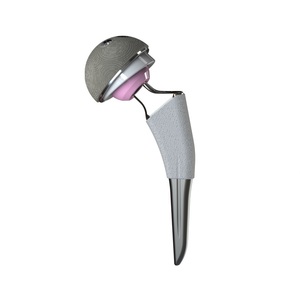
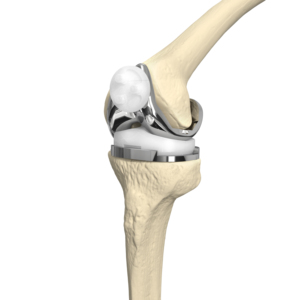
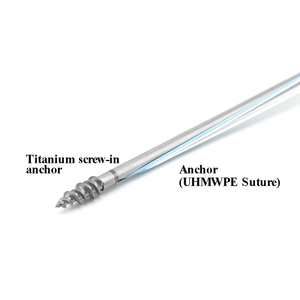
Explore our globally certified orthopedic implants engineered with 5-axis precision CNC technology for superior surgical outcomes and bio-mechanical stability.
Intra-articular calcaneal fractures represent approximately 60% of all tarsal injuries and 2% of all adult fractures encountered in Canadian emergency departments and Level 1 trauma centers. Management of severe intra-articular fractures (Sanders Type II, III, and IV) presents unique surgical challenges due to the complex, three-dimensional spongy anatomy of the os calcis, the fragile soft-tissue envelope of the heel, and the high functional load demands placed on the subtalar joint complex during gait.
Historical non-operative treatments or traditional non-locking plate constructs frequently resulted in malunion, subtalar joint incongruity, loss of calcaneal height, collapse of Böhler’s angle, and secondary traumatic osteoarthritis. The adoption of anatomical low-profile Calcaneus Locking Compression Plates (LCP) has fundamentally revolutionized trauma surgery across Canada’s healthcare networks, enabling stable internal rigid fixation, early mobilization, and optimal restoration of calcaneal alignment.
For Canadian medical device distributors, original equipment manufacturers (OEMs), and hospital procurement bodies (such as HealthPRO, Plexxus, and provincial health authorities), partnering with specialized contract manufacturers who understand both micro-biomechanical engineering and strict Health Canada regulatory compliance is critical. Custom OEM calcaneus locking plates must deliver precise anatomical contouring, polyaxial thread locking interface stability, and minimal profile dimensions to mitigate wound dehiscence—a leading postoperative risk in cold-climate trauma populations.
3D CT scanner mapping of lateral calcaneal walls ensures minimal intraoperative bending, preserving titanium structural fatigue life and reducing surgical time.
Allows surgeons ±15° directional screw angling, enabling targeted screw trajectory into dense subchondral bone beneath the sustentaculum tali.
Tapered plate edges measuring between 1.3mm to 1.5mm prevent soft-tissue impingement and reduce skin necrosis rates in extended lateral approaches.
The clinical application of calcaneus locking plates across Canada varies significantly based on regional demographics, occupational dynamics, and seasonal weather trends. Understanding these localized application scenarios allows OEM manufacturing partners to tailor inventory, tray configurations, and implant specifications to meet exact surgical expectations.
During Canadian winter months, emergency trauma admissions across provinces like Ontario, Quebec, Alberta, and British Columbia experience a predictable surge in high-energy calcaneal calcaneal compression fractures. Major contributing factors include:
In industrial sectors throughout Northern Ontario, Alberta's energy corridor, and mining operations in Manitoba, workplace falls from scaffolding and heavy machinery are prevalent. Restoration of Bohler’s angle (normally 20° to 40°) and Gissane’s angle (120° to 145°) is crucial for enabling heavy manual laborers to return to work without permanent physical disability.
Canadian orthopedic foot and ankle specialists are increasingly adopting Sinus Tarsi Minimally Invasive Surgery (MIS). OEM manufacturers must offer both conventional extended lateral perimeter plates and specialized mini-calcaneal locking plates designed for small-incision insertion, protecting the posterior calcaneal branch of the peroneal artery.
Sharma Orthopedic India Limited leverages over three decades of precision manufacturing excellence to produce OEM calcaneus locking plates engineered from medical-grade Titanium Alloy (Ti-6Al-4V ELI / ISO 5832-3) and Implant-Grade Stainless Steel (316LVM / ISO 5832-1). The table below outlines our technical manufacturing parameters against international surgical standards.
| Engineering Parameter | Titanium Alloy (Ti-6Al-4V ELI) | Stainless Steel (316LVM) | Clinical & OEM Advantage |
|---|---|---|---|
| Ultimate Tensile Strength | ≥ 860 MPa | ≥ 690 MPa | Exceeds physiological axial loads; prevents plate fracture during calcaneal healing. |
| Modulus of Elasticity | 110 GPa (Closer to human cortical bone) | 190 GPa | Reduces stress shielding, encouraging optimal bone callus formation under load. |
| Biocompatibility & Passivation | Type II Anodization / Micro-arc Passivation | Electropolished Vacuum Passivated | Eliminates heavy metal ion release; zero tissue reactivity for long-term implantation. |
| Plate Profile Thickness | 1.3 mm – 1.5 mm Low-Profile Edge | 1.5 mm – 1.8 mm Contourable | Minimizes pressure against peroneal tendons and skin flaps under thermal strain. |
| Screw Thread Interface | 2.7mm / 3.5mm Polyaxial Threaded Locking | 2.7mm / 3.5mm Monoaxial Threaded | Rigid angular stability; locks securely into sustentaculum tali bone column. |
| Imaging Artifact Compatibility | Minimal MRI / CT Artifact | Moderate Artifact Profile | Allows crisp post-op CT evaluation of subtalar joint congruity in Canadian diagnostic labs. |
As a senior contract manufacturer, our facility offers end-to-end custom OEM solutions tailored to Canadian medical brand owners, private label distributors, and hospital procurement groups. We transform raw titanium stock into finished, sterile, Health Canada compliant medical packages through a rigorous six-stage OEM workflow:
Navigating the medical device supply chain in Canada requires strict adherence to federal oversight and strategic alignment with provincial purchasing networks. Key procurement trends shaping the Canadian orthopedic landscape include:
Calcaneus locking plates are classified as Class III Medical Devices under Health Canada Medical Device Regulations (MDR). To enter the market legally, importers and OEM partners must possess a valid Medical Device License (MDL) issued by Health Canada. Furthermore, manufacturing facilities must maintain active certification under the Medical Device Single Audit Program (MDSAP), encompassing ISO 13485:2016 quality management standards. Sharma Orthopedic's quality management system is pre-aligned with MDSAP audit criteria, accelerating licensing for Canadian partners.
Canadian healthcare spending is predominantly publicly funded through provincial systems (e.g., OHIP in Ontario, AHS in Alberta, BC Health). Procurement is heavily driven by large GPOs like HealthPRO, Plexxus, and Shared Health Manitoba. These bodies seek high-value, cost-effective OEM alternatives to tier-1 multinational brands without compromising clinical performance. By offering factory-direct manufacturing partnerships, we enable Canadian distributors to submit highly competitive tender bids to provincial GPOs.
Canadian healthcare tenders increasingly mandate ethical sourcing, carbon footprint reduction, and raw material traceability. Our Vadodara campus operates solar-supplemented energy systems, clean water recycling loops, and zero-conflict material purchasing policies, fully satisfying Canadian hospital ESG (Environmental, Social, and Governance) evaluation metrics.
Representing over three decades of engineering excellence, Sharma Orthopedic India Limited (founded in 1992) stands among the premier manufacturers and global exporters of trauma, arthroplasty, and spinal surgical solutions. Operating out of a 62,391 square foot state-of-the-art manufacturing campus in Vadodara, Gujarat, India, the company supports medical distributors and OEMs across more than 50 countries worldwide.
We supply a complete technical documentation dossier, including ISO 13485 / MDSAP certificates, ISO 10993 biocompatibility test results, mechanical static and fatigue test reports (ASTM F382 / ASTM F136), risk analysis files (ISO 14971), and manufacturing process validation data required by Health Canada.
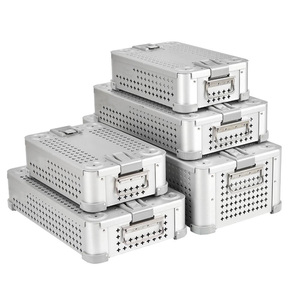
Yes. We specialize in OEM/ODM customization. We can customize plate geometries, screw hole numbers, low-profile thicknesses, color anodization, custom laser-etched branding, customized graphic sterilizing trays, and customized outer packaging per your corporate brand guidelines.
Our calcaneus locking plates are manufactured from certified Titanium Grade 5 ELI (Ti-6Al-4V, ASTM F136). This medical alloy exhibits superior biomechanical strength, non-magnetic properties, and minimal image artifacts during post-operative MRI or CT scans.
For standard catalog items, MOQs start as low as 20 to 50 units per SKU. For custom OEM orders with private labeling, typical production lead times range from 4 to 6 weeks, followed by express air freight delivery (3-5 business days) to Canadian distribution centers.
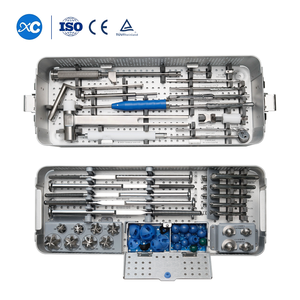
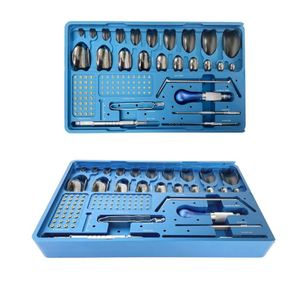
Absolutely. We supply complete ergonomic surgical instrument kits including depth gauges, bending irons, threaded drill guides, self-retaining star-drive screwdrivers, periosteal elevators, and color-coded screw caddies containing 2.7mm and 3.5mm self-tapping locking screws.
Under Canadian tariff classifications (HS Code 9021.10 - Orthopedic or fracture appliances), medical implants typically enjoy zero tariff or duty rates when imported by licensed medical device distributors. We provide complete commercial invoices, certificates of origin, and airway bills to ensure seamless Canada Border Services Agency (CBSA) customs clearance.
Expand your Canadian surgical product portfolio with ISO 13485 certified, high-precision titanium calcaneus locking plates. Contact our engineering and OEM export team today for technical catalogs, sample evaluation sets, and contract pricing.